Diesel vs Electric Trucks: The Future of Indian Freight is Turning Electric
Diesel trucks still dominate India’s highways due to their range, affordability, and fueling convenience. But the economics are shifting. With technology improving, infrastructure expanding, and policy support strengthening, electric trucks offer a lower running cost, cleaner operation, and future-ready alternative.
10/5/20253 min read

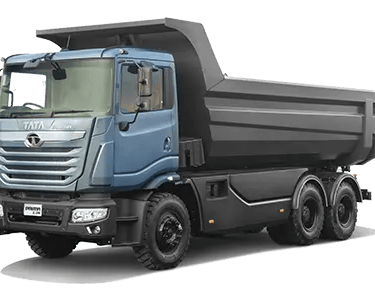
The Indian trucking industry, long powered by diesel engines, is undergoing a transformative shift as electric trucks begin to enter the market. With launches like the Montra Electric RHINO 5538ev, the debate between diesel trucks and electric trucks (EVs) has become central to discussions on cost, performance, and sustainability in the freight and logistics sector. Here’s an in-depth look at how these two technologies compare — and what the transition could mean for India’s trucking economy.
1. Powertrain and Performance
Traditional diesel trucks have long been the backbone of India’s logistics, known for their reliability and long-distance range. Their internal combustion engines deliver steady power, refuel quickly, and are supported by a vast fuel distribution network across the country.
However, electric trucks are emerging as serious contenders. The new Montra Electric RHINO 5538ev, for instance, delivers 280 kW (380 HP) and an astounding 2000 Nm torque, outclassing many diesel engines in instant pulling power and hill-start capability. While diesel engines require gears and build torque gradually, electric trucks deliver power instantly, providing smoother acceleration and higher efficiency, especially in stop-start urban or regional operations.
2. Range and Refueling
This remains the diesel truck’s biggest advantage. A typical diesel HCV (Heavy Commercial Vehicle) can travel 700–1,000 km on a full tank, refueled in minutes. Electric trucks, like the RHINO 5538ev, currently offer a certified range of around 198 km on a single charge — suitable for regional haulage but not yet ideal for long cross-country routes.
However, innovations like battery swapping are changing this equation. Montra’s under-six-minute battery swap technology drastically cuts downtime, rivaling the refueling speed of diesel trucks. As India’s EV infrastructure expands along major highways, range anxiety is expected to decline significantly.
3. Operating and Maintenance Costs
Electric trucks shine in cost-effectiveness over time. While a diesel HCV typically consumes fuel worth ₹10–12 per km, an electric truck costs ₹2–3 per km in electricity. Over several years, this translates into massive savings for fleet operators.
Maintenance is another major advantage. Electric trucks have fewer moving parts, no engine oil, clutch, or gearbox — leading to 30–40% lower maintenance costs. Diesel engines, on the other hand, require frequent oil changes, filter replacements, and emission system maintenance, all of which add up significantly over time.
4. Purchase Price and Government Incentives
Diesel trucks still hold the advantage in upfront cost. A new 12-tyre diesel tipper or tractor trailer costs between ₹45–₹55 lakh, while an electric counterpart like the Montra RHINO 5538ev starts around ₹1.15 crore (ex-factory).
Yet, when factoring in fuel savings, reduced maintenance, and incentives under schemes like FAME-II and various state EV policies, the total cost of ownership (TCO) for electric trucks becomes competitive within 4–5 years. Additionally, as battery prices fall and production scales up, EV trucks are expected to achieve cost parity with diesel models by the end of this decade.
5. Environmental and Regulatory Impact
Diesel trucks contribute heavily to India’s CO₂ and particulate emissions, which make up nearly 40% of road freight pollution. Electric trucks, producing zero tailpipe emissions, align with India’s clean mobility goals and net-zero 2070 commitment.
As emission norms tighten (BS-VI and beyond), and fuel prices continue to rise, the shift to electric mobility will become not just an environmental imperative, but an economic necessity.
The Verdict: Diesel Today, Electric Tomorrow
Diesel trucks still dominate India’s highways due to their range, affordability, and fueling convenience. But the economics are shifting. With technology improving, infrastructure expanding, and policy support strengthening, electric trucks offer a lower running cost, cleaner operation, and future-ready alternative.
In the coming decade, India’s freight corridors may see a clear divide — diesel for ultra-long hauls, electric for regional and city logistics. But make no mistake — the wheels of change are turning fast, and the future of Indian trucking is undeniably electric.