Gadkari Unveils India’s First Electric Truck Battery Swapping Station in Sonipat
While inaugurating the center, Minister Gadkari emphasized the strategic importance of such infrastructure in reducing India’s energy import bill—currently estimated at nearly ₹25 lakh crore annually.
10/8/20252 min read
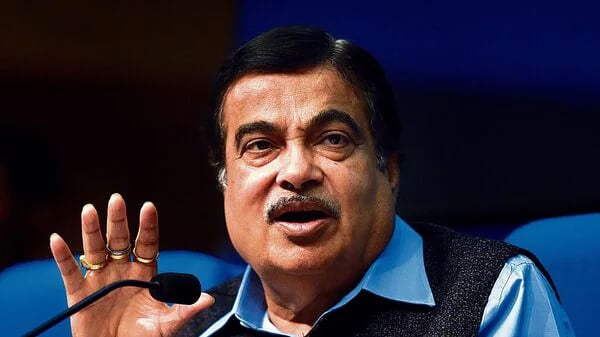
Sonipat (Haryana) – In a notable stride toward cleaner logistics, Union Minister for Road Transport & Highways Nitin Gadkari on Wednesday inaugurated India’s first commercial electric truck battery swapping-cum-charging hub at Panchi Gujran village in Sonipat district. The Economic Times+2Business Standard+2
The facility, developed by Energy in Motion within the Delhi International Cargo Terminal (DICT), aims to transform freight operations by dramatically reducing charging time and promoting electric heavy vehicle adoption. Business Standard+3The Times of India+3HT Auto+3 Officials say the battery exchange process will take approximately seven minutes, compared with multi-hour full charging cycles. HT Auto+2Business Standard+2
Vision and Policy Context
While inaugurating the center, Minister Gadkari emphasized the strategic importance of such infrastructure in reducing India’s energy import bill—currently estimated at nearly ₹25 lakh crore annually. The Times of India+3The Economic Times+3Business Standard+3 He also underscored the government’s target to bring logistics costs down to single digits (below 9%) by December 2026, through integrated transport networks and multimodal connectivity. Business Standard+2The Economic Times+2
The inauguration aligns with India’s broader energy transition goals, including encouraging biofuels, green hydrogen, and more reliance on domestically produced renewable energy. Business Standard+2Deccan Herald+2 At the event, the Minister of Heavy Industries and Steel, H. D. Kumaraswamy, also called for accelerating research and manufacturing of heavy vehicles powered by biofuels and electric powertrains. The Times of India+2The Economic Times+2
Significance for the Freight & EV Ecosystem
Faster turnaround for trucks: The swapping model addresses one of the key challenges with EV trucks—long downtime for battery charging—thus improving utilization and predictability for fleet operators. HT Auto+2The Times of India+2
Lower operational costs & emissions: With reliance on grid or renewable electricity, dependence on fossil fuel can drop, reducing both cost and carbon footprint.
Pilot for scaling: This station is being viewed as a pilot or template to be replicated in other high-traffic freight corridors.
Support for “Make in India” & energy security: Local manufacturing and integration of battery swap systems help foster an indigenous EV ecosystem and reduce foreign energy dependence.
Challenges & Considerations Ahead
While the inauguration is promising, several challenges must be addressed:
Standardization & interoperability
Swap systems must follow common interfaces so that multiple EV truck manufacturers can use a single station without needing proprietary adaptations.Grid capacity & reliability
To support high power charging and swaps, the local grid must be robust and managed to avoid outages or peak load stress.Initial capital & business viability
The high investment cost of swap stations means operators will need careful planning, demand forecasts, tariffs, and possibly subsidies or incentives in early stages.Battery leasing, ownership & safety protocols
Clear rules on battery ownership, warranties, maintenance, and safety inspection are needed to inspire confidence among fleet owners.Geographical coverage & network effect
The swap station must expand rapidly across major corridors; a single node is not enough to support pan-India trucking adoption.
What This Signals
The Sonipat swap station marks a watershed moment in India’s electric freight journey. It signals that the government is serious about bringing EVization not just to personal transport, but to heavy logistics as well. If deployment keeps pace with ambition, this could pave the way for a cleaner, more efficient goods transport sector.
Looking ahead, success will depend on replicability, regulatory clarity, investment models, cost parity with diesel, and adoption by major fleet players. If those align, today’s inauguration could prove to be the spark in India’s electric trucking revolution.