Government Plans Aadhaar-Linked System to Monitor Truck Drivers’ Working Hours and Improve Road Safety
India’s move to link driver duty hours with Aadhaar marks a major step toward professionalizing the commercial transport sector. By using digital enforcement tools, the government aims to make road safety a shared responsibility between drivers, fleet owners, and authorities. If executed effectively, the initiative could signal the beginning of a new era of accountability and safety on Indian highways.
10/7/20252 min read
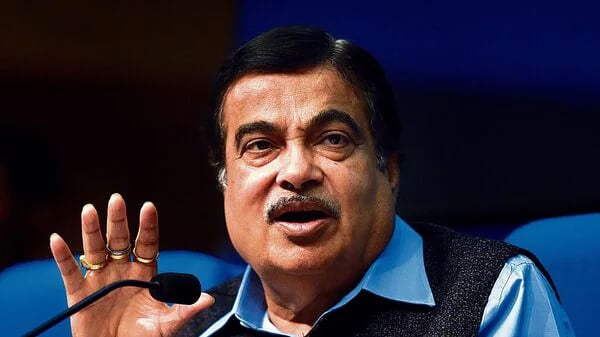

New Delhi, October 2025: The Ministry of Road Transport and Highways (MoRTH) is preparing to introduce a new Aadhaar-linked technology system aimed at monitoring the working hours of commercial vehicle drivers across India. The move comes amid growing concerns about fatigue-related road accidents and widespread violation of existing labour and transport laws governing driver work limits.
Existing Rules Under Motor Transport Workers Act
The Motor Transport Workers Act, 1961, clearly stipulates that commercial drivers cannot work more than eight hours a day or 48 hours a week. In addition, the Motor Vehicles Act mandates a minimum 30-minute break after every five hours of continuous driving. These laws were enacted to protect drivers from overwork and to ensure public safety by reducing fatigue-related mishaps.
However, experts and enforcement authorities admit that real-world compliance is minimal. Many truck and bus drivers often drive for 12 to 16 hours daily, especially in the freight transport sector, where time-bound deliveries and competitive freight rates push operators to overwork their drivers. This lack of adherence to legal limits has long been associated with rising accident rates on national highways.
Challenges in Enforcement
One of the major challenges has been the lack of effective tracking mechanisms. Most truck operators do not maintain logbooks or digital records of driver duty hours. In long-haul transport, drivers are often paid per trip rather than per hour, incentivizing longer work durations without adequate rest.
Additionally, India’s fragmented transport industry — dominated by small fleet owners — makes monitoring difficult. Enforcement agencies, already stretched thin, struggle to check compliance across millions of commercial vehicles. The result is an informal system where overworked, sleep-deprived drivers operate under unsafe conditions, increasing the risk of road accidents, fatalities, and vehicle damage.
New Technology-Based Solution
Recognizing these challenges, MoRTH is working on a technology-driven compliance model. The ministry plans to roll out on-board monitoring units that will record driver activity using Aadhaar or driving license-linked authentication systems. Before starting a journey, a driver would swipe their Aadhaar card or license on a dashboard-mounted device that logs duty hours, rest periods, and driving time in real-time.
This data would be automatically uploaded to a central monitoring system, allowing enforcement agencies to verify if a driver exceeded the permissible working hours. The initiative will also enable fleet owners to better schedule shifts and ensure adequate rest for drivers.
According to ministry officials, the pilot project will initially cover state transport undertakings and large fleet operators, before being expanded to private logistics companies and individual truck owners.
A Step Toward Safer Roads
Officials believe that once fully implemented, this Aadhaar-based driver tracking system could help reduce fatigue-related accidents by 20–25% over the next few years. The technology will also help in digitalizing the driver work-hour ecosystem, ensuring that penalties can be automatically triggered for violations.
Industry bodies have welcomed the move but stressed the need for gradual implementation and financial support for small operators. Experts also recommend integrating the system with vehicle telematics and GPS tracking to ensure holistic monitoring of vehicle movement and driver activity.
Conclusion
India’s move to link driver duty hours with Aadhaar marks a major step toward professionalizing the commercial transport sector. By using digital enforcement tools, the government aims to make road safety a shared responsibility between drivers, fleet owners, and authorities. If executed effectively, the initiative could signal the beginning of a new era of accountability and safety on Indian highways.