GST Cut Drives Surge in Customer Footfall in Commercial Vehicle Showrooms; Sales Spike Seen in Early Festive Days
In the short run, the GST cut has acted as a powerful catalyst—pulling forward demand, increasing footfalls, and accelerating conversions in the commercial vehicle retail chain. If manufacturers and dealers can manage execution, the sector may well log double-digit growth across LCVs and a healthy uplift in trucks over the next few weeks. The 20–30 % surge in the first 18 days is a plausible estimate and likely conservative for many urban and semi-urban markets.
10/7/20253 min read
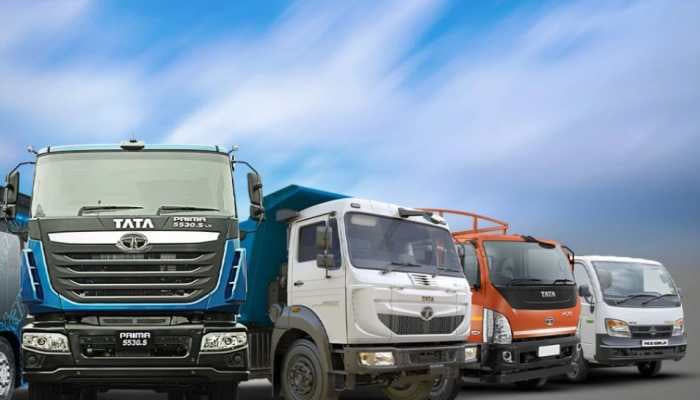
New Delhi, October 2025 — The decision by the government to slash the GST on commercial vehicles from 28 % to 18 %, effective from September 22, has unleashed a wave of demand across the commercial vehicle (CV) sector. The price correction has triggered strong footfalls at dealerships, with many showroom floors reporting lines of prospective buyers within days of the announcement.
A Flood of Inquiries and Showroom Visits
Dealers in major trucking hubs such as Pune, Ahmedabad, and Ludhiana report that from the week the GST change took effect, walk-ins have risen by 40–70 % compared to the preceding weeks. Many transporters and small logistics operators—previously deferred buyers—had been holding off, anticipating the tax cut. Once the revised rates were in place, those potential buyers converted their enquiries into showroom visits en masse. In markets dominated by LCVs and light trucks, dealer executives say that 6–8 extra prospects per day per outlet have become common.
Sales staff say that the lower sticker prices (after passing on the tax benefit) have helped reduce resistance at the negotiation counter. Some buyers who earlier balked at premium variants are now considering them. Dealerships have responded with extended hours, weekend promotions, and festival-themed offers to accommodate the surge in visits.
Sales Growth in the First 18 Days: An Estimate
While no official data breaks out exactly the “last 18 days” post-GST cut, several data points allow for a reasoned estimate:
Ashok Leyland expects LCV sales to grow 25–30 % during the festival window compared to last year. The Economic Times
Tata Motors has committed to pass on the full GST benefit: heavy CVs down by ₹2.8–4.65 lakhs, intermediate/medium by ₹1–3 lakhs. ETAuto.com
Wholesale volumes in September showed a 9 % rise in Ashok Leyland’s CVs and an 18 % gain in Mahindra’s LCV sales, partly driven by the policy change. The Tribune
Analysts project that LCV sales may climb ~30 % during September–October festival period owing to the rate cut. The Economic Times
Business Standard highlights that commercial vehicles stand to be among the biggest beneficiaries of the GST cut, with fleet replacement demand unlocked. Business Standard
Given these leads, one can conservatively estimate that in the first 18 days after the GST cut, CV sales may have jumped 20–30 % over the same stretch last year—or over the prior 18-day span—depending on geography and model mix. In LCVs and pickups, growth could be on the higher side (25–30 %). Heavy trucks may see more moderate gains initially, constrained by lead times and financial cycles.
Festive Tailwinds Amplify the Impact
The timing of the GST cut—coinciding with Navratri and leading into Diwali—has magnified its impact. Buyers are more receptive to high-value purchases during festivals, and the psychological trigger of a tax cut has spurred immediate decision making. Ashok Leyland’s officials expect a 25–30 % lift in LCVs over the festive window compared with last year. The Economic Times
Moreover, with lower acquisition costs, small fleet owners are expanding their operations, and even older truck owners are revisiting upgrades. The tax savings allow them to reallocate capital toward more vehicles or better financing terms.
Risks & Challenges Ahead
Supply and delivery bottlenecks: With sudden demand spikes, manufacturers and dealers may struggle to match inventory and maintain delivery timelines.
Financing constraints: Many small buyers rely on credit; while interest rates are stable, credit availability could limit realization of bookings.
Sustainability of momentum: Whether this uplift persists once the festival season ends is uncertain; demand might taper off.
Model mix skew: The sharpest growth is expected in LCVs and pickups; high-end, heavy-duty trucks may see slower ramp-up due to cost and infrastructure considerations.
Outlook
In the short run, the GST cut has acted as a powerful catalyst—pulling forward demand, increasing footfalls, and accelerating conversions in the commercial vehicle retail chain. If manufacturers and dealers can manage execution, the sector may well log double-digit growth across LCVs and a healthy uplift in trucks over the next few weeks. The 20–30 % surge in the first 18 days is a plausible estimate and likely conservative for many urban and semi-urban markets.