How to Manage Truck EMIs When the Transport Market Goes Down : A Complete Guide for Indian Truck Owners & Transport Businesses
If you are a truck owner, fleet operator, or transport contractor, this detailed guide will help you understand how to manage truck EMIs during market slowdowns, protect your business, and stay financially stable.
12/15/20253 min read
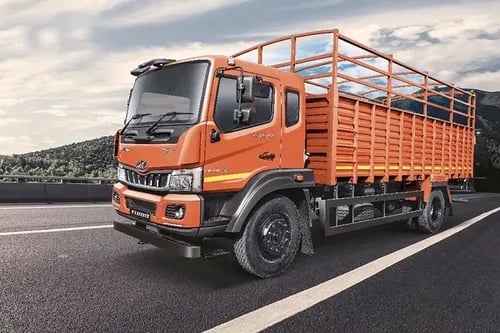
The transport and logistics industry is the backbone of India’s economy. However, it is also one of the most cyclical and volatile sectors. When freight demand falls, fuel prices rise, or payments get delayed, truck EMIs become a major financial burden. Many transporters struggle to manage monthly installments during market downturns, leading to defaults, penalties, or even vehicle seizure.
If you are a truck owner, fleet operator, or transport contractor, this detailed guide will help you understand how to manage truck EMIs during market slowdowns, protect your business, and stay financially stable.
Understanding Market Downturn in the Transport Industry
A market slowdown in the transport sector can occur due to:
Reduction in industrial production
Fall in construction and mining activities
Seasonal slowdown (monsoon, festivals gap)
Fuel price hike
Delayed freight payments
Economic recession or policy changes
When freight rates fall but EMIs remain fixed, transporters face cash flow pressure.
High-ranking keywords:
transport market slowdown, truck business loss, freight rate drop, logistics recession
Why Truck EMIs Become Difficult During Market Downturn
Truck loans are usually high-value, long-term commitments. Even a short slowdown can affect repayment.
Common reasons for EMI stress include:
Lower monthly trips
Reduced freight charges
Idle vehicles
Increased diesel and toll expenses
Driver shortages
Delayed payments from clients
Without proper planning, EMIs start piling up, affecting CIBIL score and bank relations.
1. Restructure or Reschedule Your Truck Loan
One of the most effective solutions during a market downturn is loan restructuring.
Options available:
EMI moratorium (temporary pause)
Extension of loan tenure
Reduction in EMI amount
Conversion of overdue EMIs into future installments
Immediately contact your bank or NBFC and explain your situation with supporting documents.
SEO keywords:
truck loan restructuring, EMI moratorium for truck loan, commercial vehicle loan relief
2. Maintain Open Communication With Your Lender
Never ignore bank calls or notices. Banks prefer settlement over seizure.
Best practices:
Inform lender before default
Share proof of reduced income
Request written solutions
Keep records of communication
A cooperative borrower always has better negotiation power.
3. Optimize Truck Operations to Improve Cash Flow
Even during slow markets, smart operational management can reduce losses.
Action steps:
Avoid empty return trips
Use freight aggregation apps
Accept shorter routes with faster payment
Reduce idle time
Combine loads where possible
Small operational improvements can protect EMI payments.
4. Cut Unnecessary Expenses Immediately
During a downturn, cost control is survival.
Reduce expenses such as:
Unplanned repairs
High commission brokers
Non-essential trips
Fuel wastage
Overstaffing
Track daily expenses and compare with revenue weekly.
Keywords:
transport cost reduction, truck business expense control
5. Create an Emergency EMI Reserve Fund
Every truck owner should maintain at least 3–6 months of EMI reserve.
If not already done, start now:
Save part of good-month profits
Keep EMI funds separate
Do not mix household and business money
This habit protects you during unexpected slowdowns.
6. Lease or Attach the Truck Temporarily
If you are unable to operate the truck yourself:
Lease it to a reliable transporter
Attach it to a logistics company
Offer fixed monthly hire
Even lower income is better than zero income, and it can help cover EMIs.
7. Avoid Taking New Loans During Downturn
Many transporters make the mistake of taking personal loans or informal borrowings to pay EMIs.
This increases:
Debt burden
Interest cost
Financial stress
Instead, focus on loan restructuring or temporary relief.
8. Negotiate Freight Rates Smartly
During slow markets, competition increases, but don’t undercut blindly.
Tips:
Calculate minimum operating cost
Reject loss-making trips
Prioritize cash-paying customers
Build long-term client relations
Stable clients are better than high-paying but delayed payers.
9. Use Government & MSME Benefits
If your transport business is registered as MSME, you may be eligible for:
Emergency Credit Line Guarantee Scheme (ECLGS)
Interest subvention
Loan restructuring benefits
Bank relief measures
Always check with your banker or CA for latest schemes.
10. Monitor EMI Due Dates & Avoid Penalties
Late payments result in:
Penal interest
Legal notices
CIBIL score damage
Use reminders, auto-debit, or manual planning to ensure minimum EMI payment, even if partial.
11. Plan for Seasonal Transport Fluctuations
Transport demand is not uniform throughout the year.
High-demand seasons:
Festival season
Agricultural harvest
Construction peak months
Low-demand seasons:
Monsoon
Year-end industrial slowdown
Plan EMIs, savings, and maintenance based on seasonal cash flow.
12. Consider Selling or Replacing Underperforming Trucks
If a truck is:
Old
High maintenance
Low mileage
Poor fuel efficiency
It may be wiser to sell or replace instead of continuously paying EMIs and repair costs.
13. Improve Financial Discipline in Transport Business
Successful transporters follow financial discipline:
Separate business & personal accounts
Maintain trip-wise profit records
Track EMI-to-income ratio
Review finances monthly
Data-driven decisions reduce emotional stress.
14. Legal Awareness: Know Your Rights
If facing extreme difficulty:
Banks cannot seize vehicles without due process
Proper notices are mandatory
Settlement options exist
Consult a legal or financial expert before taking extreme steps.
Conclusion: Surviving Market Downturn Is About Smart Management
Market downturns are temporary, but financial damage can be permanent if not handled wisely. Managing truck EMIs during a slowdown requires:
Early communication
Financial planning
Expense control
Smart operations
Long-term vision
A disciplined transporter survives downturns and grows stronger when the market recovers.
manage truck EMIs
transport market slowdown
truck loan repayment problems
commercial vehicle EMI management
logistics business downturn
transport business financial management
truck loan restructuring India