How to Manage Vehicle Spare Parts in the Transport Department: A Complete Guide for 2026
Effective vehicle spare parts management in the transport department is not just about storing parts—it is about planning, tracking, controlling, and optimizing. With the right inventory system, preventive maintenance strategy, reliable suppliers, and use of technology, transport businesses can significantly reduce costs and increase vehicle uptime.
EDUCATION
12/15/20253 min read
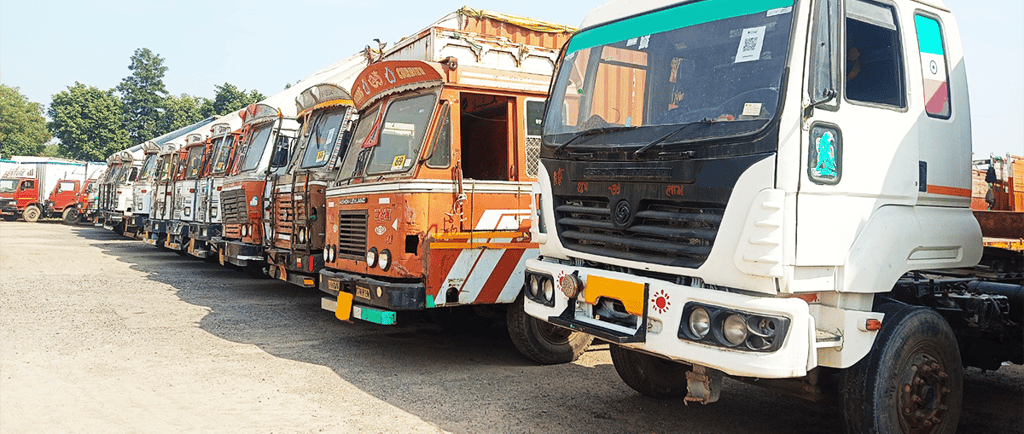

Effective vehicle spare parts management in the transport department is one of the most critical yet often overlooked areas of fleet operations. Whether you manage trucks, buses, tippers, trailers, or light commercial vehicles, a well-organized spare parts system directly impacts vehicle uptime, maintenance cost, operational efficiency, and profitability.
In this detailed guide, we will explain how to manage vehicle spare parts in the transport department, best practices, tools, challenges, and proven strategies used by successful fleet operators in India.
What Is Vehicle Spare Parts Management?
Vehicle spare parts management refers to the planning, procurement, storage, tracking, usage, and replacement of spare parts required for fleet maintenance and repairs. This includes:
Engine parts
Brake components
Filters (oil, air, fuel)
Tyres and tubes
Electrical items
Suspension parts
Body and cabin spares
Proper spare parts management ensures that vehicles are repaired quickly, reducing downtime and improving service reliability.
Why Spare Parts Management Is Important in Transport Departments
Transport businesses face continuous wear and tear due to long-distance travel, overloading, road conditions, and weather. Poor spare parts control can result in:
Vehicle breakdowns
Delayed deliveries
High repair costs
Emergency purchases at higher prices
Increased EMI stress due to idle vehicles
Key Benefits of Effective Spare Parts Management
Reduced vehicle downtime
Lower maintenance cost
Improved fleet availability
Better cash flow management
Increased vehicle life span
Higher driver and customer satisfaction
Common Challenges in Managing Vehicle Spare Parts
Before implementing solutions, it is important to understand the challenges:
Lack of inventory tracking
Overstocking or understocking
Unplanned breakdowns
Dependency on local mechanics
Price fluctuations of spares
Duplicate or fake spare parts
Poor documentation
Best Practices for Vehicle Spare Parts Management
1. Create a Spare Parts Inventory System
Maintain a centralized spare parts inventory with details such as:
Part name and code
Vehicle model compatibility
Quantity available
Reorder level
Supplier details
Purchase date and cost
You can use:
Excel sheets (small fleets)
Fleet management software (medium to large fleets)
2. Classify Spare Parts Based on Usage
Classify spare parts into categories:
Fast-moving parts: oil filters, air filters, brake pads
Slow-moving parts: engine components, gearbox parts
Critical parts: clutch plate, injectors, tyres
This classification helps in budget planning and stock optimization.
3. Set Minimum and Maximum Stock Levels
Define reorder levels for each spare part:
Minimum stock: level below which you must reorder
Maximum stock: limit to avoid excess investment
This prevents:
Emergency purchases
Stockouts during peak season
4. Standardize Vehicle Models in Fleet
Using standard vehicle brands and models reduces spare part complexity. Benefits include:
Bulk purchase discounts
Easy availability
Reduced training cost for mechanics
Faster repairs
5. Choose Reliable Spare Parts Suppliers
Always deal with authorized dealers or trusted suppliers to avoid counterfeit parts. Maintain a supplier database with:
Price comparison
Delivery timelines
Credit terms
Warranty support
Good supplier relationships ensure priority service during emergencies.
6. Maintain Proper Store and Storage Conditions
Spare parts should be stored properly to prevent damage:
Dry and dust-free environment
Proper racks and labeling
FIFO method (First In, First Out)
Separate storage for oils and lubricants
Poor storage can damage parts even before use.
7. Track Spare Parts Usage Vehicle-Wise
Every spare part issued should be linked to:
Vehicle number
Date of issue
Kilometer reading
Repair type
This helps in:
Analyzing maintenance trends
Identifying high-cost vehicles
Preventing misuse or theft
8. Use Preventive Maintenance Planning
Preventive maintenance reduces sudden spare part demand. Schedule maintenance based on:
Kilometer usage
Engine hours
Manufacturer recommendations
This ensures:
Planned spare consumption
Reduced breakdowns
Lower maintenance cost
9. Control Wastage and Pilferage
Implement internal controls such as:
Issue slips for spare parts
Supervisor approval
Periodic physical stock audits
CCTV in store areas
These steps prevent loss, misuse, and unauthorized usage.
10. Analyze Data and Optimize Costs
Use data analytics to identify:
Frequently replaced parts
High maintenance vehicles
Cost per kilometer
Based on analysis:
Replace poor-performing vehicles
Change suppliers
Improve driving behavior
Role of Technology in Spare Parts Management
Modern transport departments use:
Fleet Management Software
ERP systems
Barcode or QR code tracking
Mobile apps for maintenance updates
Technology improves:
Accuracy
Transparency
Decision-making
Spare Parts Management for Small Transport Operators
Even small fleet owners can manage spares effectively by:
Keeping a basic spare stock
Using spreadsheets
Partnering with nearby workshops
Avoiding overstocking
Vehicle spare parts management
Transport department spare parts control
Fleet spare parts inventory management
Truck spare parts management system
Fleet maintenance and spare parts
Transport fleet cost control
Commercial vehicle spare parts management
Conclusion
Effective vehicle spare parts management in the transport department is not just about storing parts—it is about planning, tracking, controlling, and optimizing. With the right inventory system, preventive maintenance strategy, reliable suppliers, and use of technology, transport businesses can significantly reduce costs and increase vehicle uptime.
In today’s competitive logistics and transport industry, spare parts management is a profit-saving strategy, not an expense.