How to Start a Transport Office in India: A Simple Guide
This article explains step-by-step how to start a transport office, documents needed, investment ideas, business model, earning possibilities, and tips to grow successfully. The language is kept simple for easy understanding.
11/27/20253 min read
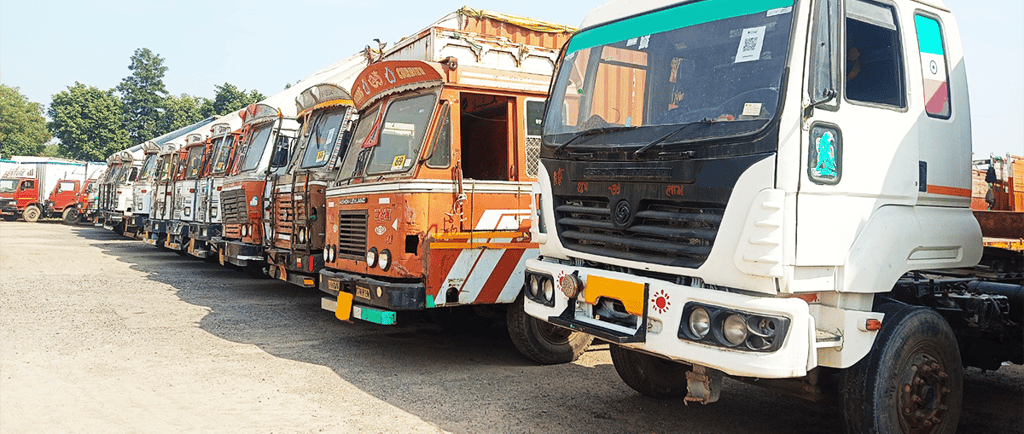
Starting a transport office in India is a good business opportunity, especially with the rapid growth in logistics, e-commerce delivery, construction material supply, mining, and interstate goods movement. A transport office can manage trucks, provide load services, supply drivers, arrange logistics planning, or operate full fleet management. Many people start with small investment and then expand to a full transport company.
This article explains step-by-step how to start a transport office, documents needed, investment ideas, business model, earning possibilities, and tips to grow successfully. The language is kept simple for easy understanding.
1. Understand What a Transport Office Is
A transport office means a place where you run transportation-related business activities. It may include:
Truck booking / load arrangement
Driver management
Goods transportation for companies
Local sand, stone, cement, steel delivery
Heavy vehicle operations (tippers, trailers, containers)
Logistics coordination
Fleet tracking and maintenance
Working with factories, mines, warehouses
Depending on your interest, you can choose a small office with 1–2 employees or grow into a large logistics company later.
2. Decide Your Transport Business Type
Before starting, choose the business model:
A) Transport Agency (Commission-Based)
You arrange trucks for loads and earn commission per trip.
Investment: Very Low
Good for beginners
B) Fleet Owner
You own tippers, trucks, containers or trailers and run them on contract.
Investment: Medium to High
Good for long-term returns
C) Logistics Company
You offer full service: pickup, delivery, warehousing, documentation.
Investment: Medium
Earning: High if handled well
D) Transport Contractor
You take annual/monthly contracts from companies.
Example:
Mines to plant
Factory to warehouse
Construction site material supply
Investment: Medium
Choose according to your finances and experience.
3. Legal Requirements and Registration
To start a transport office officially in India, you need some basic registrations:
1. Business Registration
Choose any of these:
Proprietorship (simple and for small business)
Partnership Firm
One Person Company
Private Limited Company (for large operations)
Most people start with proprietorship because it is easy.
2. GST Registration
You must have GST registration if you provide goods transport services.
Transporters get special benefit: No GST on freight if GTA rules applied for certain cases.
3. Bank Current Account
Open a current account in your business name.
4. Office Setup
Even a small office with:
Table, chairs
Computer
Printer/scanner
Internet
Visiting cards
is enough to start.
5. If You Own Trucks
Then you also need:
Commercial vehicle registration
National permit (if interstate)
Fitness certificate
Insurance
Pollution certificate
Goods carriage authorization
4. Investment Needed to Start
You can start a transport office with different budgets:
Small Budget (₹10,000 – ₹50,000)
Rent a small office
Buy a phone, table, stationery
Create contacts with truck owners and drivers
Start a transport agency (commission per trip)
Medium Budget (₹1–10 Lakhs)
Office setup
Hire 1–2 staff
Buy software for accounting and trip management
Take small contracts
High Budget (₹20 Lakhs – ₹5 Crores)
Purchase trucks
Build fleet
Hire drivers and mechanics
Take long-term contracts from companies
You can start small and slowly grow into a big logistics company.
5. Build Contacts – Most Important Step
Transport business runs fully on relationships.
You must build contacts with:
Truck owners
Transporters
Loading agents
Factories
Warehouses
Construction companies
Drivers
Travel brokers
Logistics companies
Mining contractors
The more contacts you have, the faster your business grows.
6. Find Loads and Clients
Your earning depends on finding loads regularly.
Common load sources:
A) Online Platforms
Blackbuck
Porter
Vahak
TruckSuvidha
LOXY
Various WhatsApp load groups
B) Offline Sources
Local industries
Mines
Cement companies
Steel plants
Granite yards
Sand suppliers
Construction sites
Agricultural goods wholesalers
FMCG companies
Transport hubs (like Kalamboli, Namakkal, Sankagiri, Hyderabad Bowenpally, Delhi Sanjay Gandhi transport market)
Visit them and give your business card.
7. Hiring Drivers
If you operate your own vehicles, good drivers are very important.
Qualities of a good driver:
Valid Heavy Driving License
Experience in long-distance trips
Polite with clients
Safe driving habits
Knowledge of GPS and basic mechanics
Always keep 2–3 standby drivers.
8. Maintain Proper Records
Every transport office must keep:
Trip sheets
Diesel records
Toll expenses
Driver advances
Repair bills
Payment receipts
Client invoices
You can maintain them in:
Excel sheet
Transport management software
Mobile apps (many free apps available)
Good record keeping reduces losses.
9. Earnings in Transport Office
Your earnings depend on your model:
A) Commission-Based Transport Office
You earn ₹500 – ₹3,000 per trip
Or 2% to 10% of freight value.
B) Owning Trucks
Profit per truck per month (average):
Tipper: ₹40,000 – ₹1,20,000
Trailer: ₹50,000 – ₹1,50,000
Container truck: ₹30,000 – ₹1,00,000
C) Logistics Company
If you get big clients, earnings are very high.
Profit margins: 8% – 25%
10. Challenges in Transport Business
Transport is a profitable business but has challenges:
Driver shortage
Unexpected breakdown
Delayed payments from clients
Fuel price fluctuation
Permit and toll issues
Overloading penalties
Seasonal load variations
Proper planning and good contacts solve most problems.
11. Tips to Grow Your Transport Office Fast
Always answer phone calls immediately
Keep good relations with truck owners and drivers
Give correct load information (don’t hide anything)
Maintain honesty in payments
Keep small commission at start
Use GPS tracking
Keep office clean and professional
Print brochures and visit local companies
Promote your business on WhatsApp groups
Slowly your name will spread in the market.
Conclusion
Starting a transport office in India is simple if you understand the business model, maintain contacts, and manage daily operations carefully. You can begin with small investment and grow step-by-step. With hard work, clear communication, and honesty, a transport office can become a stable and high-earning business.