How to start a trucking business in India in late 2025
List out your fixed costs: truck purchase cost (or if you already own then your depreciation), interest if you have a loan, insurance, driver salary, permit/toll costs, maintenance.
10/25/20256 min read
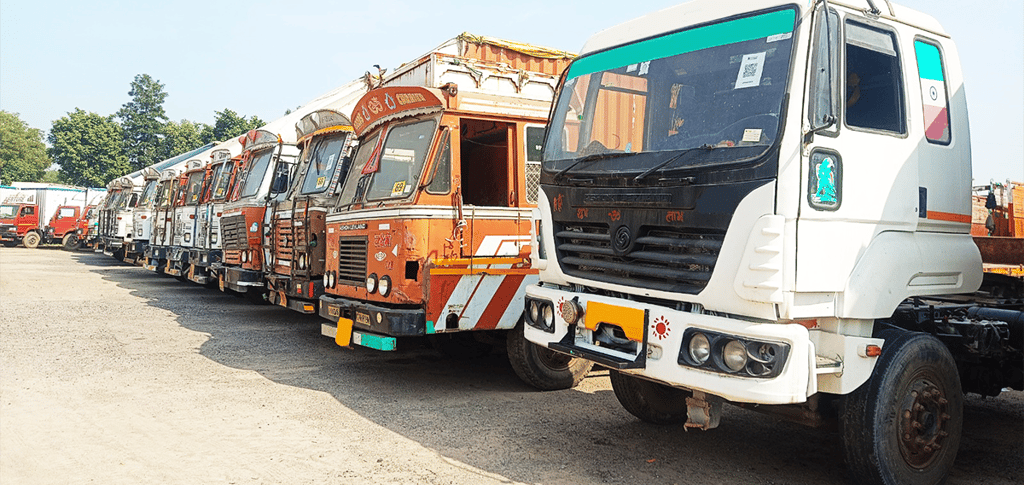
If you’re thinking of starting a trucking business in India at the end of 2025, here’s a detailed breakdown of how to get started, whether it can be profitable, and what the risks/downsides are — given your experience (you already have a 12-tyre tipper truck etc) this is very relevant.
✅ How to start a trucking business in India in late 2025 : Here are the major steps with special considerations for 2025.
1. Define your business model & niche
Decide what kind of freight you’ll carry: e.g., heavy construction materials (since you have a tipper), mining, general goods, refrigerated goods, inter-city long haul, local short haul.
Because you already own a 12-tyre tipper truck (12 tyre TATA Tipper, as per your profile) you are in a good position for heavy or construction material move-jobs.
Understand your geography: which states/routes you’ll cover, how far you’ll go, where you’ll return with load vs run empty.
Consider “value-added” niche such as dedicated regular contract jobs rather than spot jobs, to reduce downtime.
2. Legal & regulatory compliance
Ensure your vehicle has the proper Goods Carriage Permit, Vehicle Registration for commercial use, fitness certificate, insurance (both vehicle, driver and cargo).
Make sure you comply with axle-load norms, Toll & FASTag registrations, state entry permits if you cross states.
Keep up with regulatory changes: emission norms, driver hour limits, etc. As one article noted, staying updated is critical. Trucksup+2Aditya Birla Capital+2
Register your business properly (you already are a logistics proprietor, so you have some infrastructure behind you) and keep GST registration, accounts, etc in order.
3. Cost planning & financing
List out your fixed costs: truck purchase cost (or if you already own then your depreciation), interest if you have a loan, insurance, driver salary, permit/toll costs, maintenance.
Variable costs: fuel, tyres, tires, spare parts, downtime, empty runs (truck goes out empty).
Plan for utilisation: higher the km you cover with load and fewer empty kms, the better your margins.
Get realistic revenue estimates: what freight rate you can charge per ton or per km, what weight you can carry per trip, how many trips per month.
Because you already have a tipper, you should check how much demand is there for tipper loads in your region (Hospet/Bellary region, etc) — if there’s good demand in mining, quarry, construction around Karnataka & Andhra, that helps.
4. Fleet & operations management
Since you have one truck, treat it like a business asset: keep detailed logs, maintenance schedule, tyre and engine checks, fuel efficiency monitoring.
Optimise route planning: reduce empty backhaul, pick jobs where return loads are possible. As articles advise, route optimisation and fleet utilisation are key to profitability. Trucksup+1
Driver management: your driver (you already have one: Khairul Islam) — ensure good training, safe driving, minimal idling, monitoring.
Maintenance: regular preventive maintenance reduces breakdowns. One blog said maintenance cost for container trucks in India can be big. Fr8+1
5. Finding business and marketing
You’ll need to build contacts with contractors, mines, construction companies, or freight brokers who regularly need tippers/trucks.
Consider tie-ups with local construction firms or mining operations in Bellary/Hospet region (Bellary is a mining region) so you get steady work rather than one-off jobs.
Leverage digital freight marketplaces: there are apps/platforms that match trucks with loads. Being registered can help you get more jobs.
Make sure your truck is visible (via signage, listing on platforms, good reputation). Good service + reliability win repeat business.
6. Technology & tracking
Use GPS tracker, telematics to monitor driver behaviour, fuel consumption, idling time. This can reduce costs and increase safety. Trucksup
Use software or even spreadsheets to monitor costs, revenue per trip, km per litre fuel, maintenance cost per km, etc.
Use digital payments, receipts, proper accounting so you can see profit/loss per month.
7. Risk management
Have insurance for truck, cargo, third-party liability.
Maintain backups for major breakdowns or have tie-ups with service centres.
Diversify load types if possible so if one commodity slows down (e.g., mining halts) you have alternate loads.
Keep an eye on fuel price trends, tolls/road charges, regulatory changes (e.g., axle load changes).
Being in mining region, check whether there are seasonal slumps or regulatory shutdowns.
8. Scale and growth planning
Once your one truck is running profitably, consider adding another truck or branching into other types (container, refrigerated, long haul, etc).
Build relationships to get contract trucking rather than spot. Contract trucking gives more stability.
Monitor ROI: if you buy another truck, check pay-back period, utilization.
📊 Is it profitable? What’s the bottom-line and what to expect
Short answer: Yes, it can be profitable — but it’s not guaranteed, and the margin is tight. You will need good management, high utilisation, and cost control.
What do the numbers say?
According to one source, profit margins in container trucking in India ranged between ~10% to 25% depending on fleet size, load factor, and cost control. Fr8
Another article says for a transport business in India (general) profit margins can vary between 10% to 30%, depending on efficient management & operational costs. Aditya Birla Capital
A 2025 review said the Indian trucking industry is under “extreme pressure” with rising fuel prices, tolls, driver shortage, regulatory barriers — which squeeze margins further. 91Trucks
What this implies for your business : Given you have one truck, a tipper, you should expect:
After all costs are accounted (fuel, driver wages, maintenance, depreciation, insurance, empty runs, tolls) your net profit margin may be in the 5%-15% range realistically if things go well. If you optimise well it might get into the ~15-20% zone.
Because you have one truck, fixed overheads per truck may be higher than if you had a fleet (economies of scale). So initial profits will be modest.
Utilisation matters a lot: if your truck is idle, or travels many kms empty, your margin shrinks drastically.
What makes the difference for profit vs loss
Factors helping profit:
High utilisation: many trips, minimal empty kms.
Good load contracts: steady jobs rather than spot, predictable rates.
Keeping operating costs low: efficient fuel usage, good maintenance, minimal downtime.
Value-added/niche speciality jobs that command premium rates (e.g., mining, construction materials, heavy-loads). As one article noted for mining transport: high-value contracts. egaltrans.com
Good location/region with high demand (you are in Bellary/Hospet area — which has mining).
Leveraging technology & logistics efficiency.
Factors pushing you toward loss or low profit:
High fuel and oil costs, spikes in diesel price.
Poor route planning/large empty backhaul.
Breakdown, maintenance costs, tyres, long downtime.
Regulatory change (heavier taxes/tolls, stricter norm raising costs).
Fierce competition pushing rates down.
Low demand or seasonal demand slump.
You may have to discount rate for getting loads or wait long time for loads.
So – is it profitable or a loss?
Yes, it can be profitable, especially if you manage everything well.
But it is not a “easy sure profit” business. Many variables can turn profit into low margin or even loss if mishandled.
Given the year is late 2025, the environment has some headwinds (fuel/toll costs up, competition) but also tailwinds (growing logistics demand in India, infrastructure projects, large road freight share). So you’re entering at a time with opportunities but also challenges.
🔍 Specific points for you (given your situation)
Given your profile: you already have a 12-tyre TATA tipper, you are in Hospet/Bellary (which is a mining/ construction region), you’re a used truck sales commission agent as well (so you know the truck market) — you have several advantages. Here are some specific tips:
Leverage your region: Bellary/Hospet has mining, stone/quarry, construction material demands. Tippers are in demand there. Focus on contracts with mines/quarries.
Consider idle risk: When mining slows/disruptions happen, demand may fall. So have alternate load types (maybe construction material, earth-moving, aggregate, etc).
Maintenance cost control: A 12-tyre tipper is heavy duty — ensure you schedule maintenance, keep records, use good tyres, avoid overloading (which damages truck).
Fuel & driver cost: Monitor your fuel per km, driver behaviour, idling time.
Backhaul strategy: After unloading, try to pick up another load for the return trip. Otherwise empty kms will hurt.
Insurance, tolls, permits: Because you cross states maybe, ensure you have all permits so you avoid fines/penalties.
Second-hand market & value: Because you also deal in used trucks, you may have an advantage in resale value for your truck, or replacing/adding trucks when needed.
Scale slowly: Don’t over-leverage by buying too many trucks unless your first one is reliably profitable.
Track metrics: Keep simple monthly profit/loss sheet: revenue (load rate × km) minus all costs (fuel, tolls, insurance, maintenance, driver, tyres, depreciation). After you have 6-12 months of data you’ll see trend.
⚠️ Key risks & what could make it a loss
Sharp increase in diesel/fuel cost (this can blow up your costs).
Regulatory shock (new axle-load norms raising maintenance cost, higher permit fees).
Demand slump: e.g., mining slowdown, construction slowdown, infrastructure delays.
Truck down for repairs for long time (maintenance/downtime kills margins).
Heavy competition leading to rate wars and you forced to take lower rates.
Empty return trips (you go loaded out, empty back) — this is a major drain.
Later when you scale, if you buy trucks with heavy debt/interest the fixed cost becomes too high.
🔮 What the environment is like at end of 2025
Some context for 2025:
The road freight industry remains massive in India: it handles over ~60-65% of freight tonnage. DAT
Articles for 2025 note the industry is under “extreme pressure” from rising fuel, tolls, driver shortage, regulatory burdens. 91Trucks
On the positive side, infrastructure investment (roads, logistics parks) is increasing, so demand for haulage should keep growing over long term.
🎯 My verdict for your case
Given all this, for your specific case (you have a tipper in a mining/ construction region) I would say:
The business can be profitable for you in 2026 if you manage well, utilise your truck well, control costs, secure steady contracts.
In the first year maybe your profit margin will be modest (maybe 8–15% net) rather than huge.
If you scale too fast or don’t manage idle time and costs, there’s real risk of low profit or even loss (especially if fuel prices shoot up or demand drops).
So treat this as a business investment requiring active management rather than a “set & forget” asset.