India Targets Record Highway Construction of 12,000–13,000 km in 2023–24
Industry experts say the ministry’s target is realistic but will require rapid execution across all states. Weather conditions, contractor performance, supply chain factors, and timely payments will influence the pace of construction. Nevertheless, analysts affirm that the government’s focus on infrastructure-led economic growth is clear, and the highway sector is expected to continue its strong performance.
11/18/20252 min read
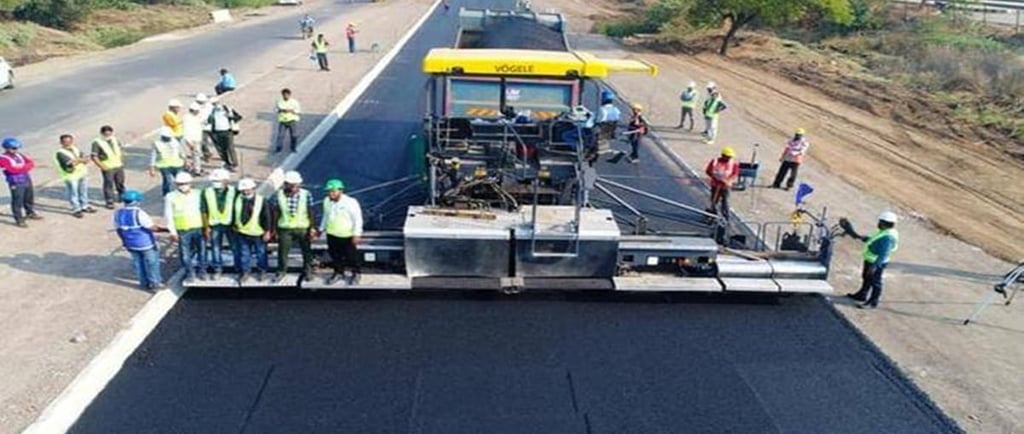
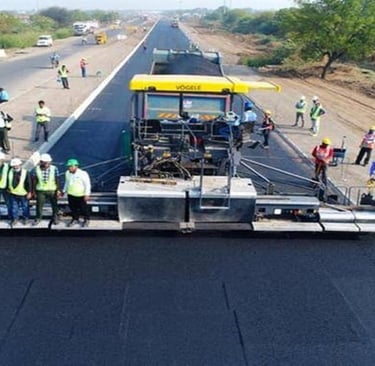
In a major push to strengthen the country’s road infrastructure, the Ministry of Road Transport and Highways (MoRTH) has set an ambitious target of constructing 12,000 to 13,000 kilometres of national highways during the financial year 2023–24. The target underscores the government’s continued focus on accelerating connectivity, reducing logistics costs, and creating a more efficient national transportation network.
According to ministry officials, highway development has been one of the government’s top priorities over the past decade, with India witnessing rapid expansion of its national highway network. The target for 2023–24 aims to build on the momentum achieved in recent years, despite challenges such as high material costs, land acquisition delays, and labour shortages during the pandemic period. The ministry remains optimistic that improved coordination with state governments and increased capital expenditure will help meet the construction goals.
Over the last few years, India has consistently ranked among the top global performers in highway construction. In 2020–21, highway building reached a record pace of over 37 km per day, though the pace moderated in the subsequent years due to disruptions and rising costs. For 2023–24, the ministry is aiming not only to meet—but possibly surpass—the decade average by focusing on faster project clearances, increased adoption of modern construction technologies, and enhanced contractor capacity.
Senior officials stated that several flagship infrastructure initiatives such as the Bharatmala Pariyojana, the National Infrastructure Pipeline, and multimodal logistics integration through the PM Gati Shakti Masterplan will support the targeted construction. These projects are expected to improve freight efficiency, enable smoother long-distance travel, and strengthen connectivity to ports, economic corridors, agricultural hubs, and border areas.
A significant portion of the 12,000–13,000 km construction plan includes economic corridors, expressways, and high-traffic routes designed to reduce congestion and shorten travel time. Work is progressing on critical stretches such as the Delhi–Mumbai Expressway, Trans-Haryana Expressway links, and several greenfield corridors across Uttar Pradesh, Maharashtra, Rajasthan, Gujarat, and the Northeast.
Funding for the highway sector has also seen robust allocation. The Union Budget of recent years has consistently increased capital expenditure for roads, enabling faster project execution. Public-private partnership (PPP) models, hybrid annuity models (HAM), and Build-Operate-Transfer (BOT) projects continue to play a significant role, attracting private and foreign investment into the sector.
Industry experts say the ministry’s target is realistic but will require rapid execution across all states. Weather conditions, contractor performance, supply chain factors, and timely payments will influence the pace of construction. Nevertheless, analysts affirm that the government’s focus on infrastructure-led economic growth is clear, and the highway sector is expected to continue its strong performance.
As India’s logistics and transportation needs expand with its growing economy, achieving the 12,000–13,000 km target for 2023–24 will mark another milestone in building a safer, faster, and more efficient national highway network.