India to Make Air-Conditioned Cabins Mandatory for Medium and Heavy Trucks from October 2025
With India’s economy increasingly reliant on efficient freight movement, the October 2025 mandate signals a broader shift towards modernizing the country’s commercial vehicle fleet. By placing driver welfare at the center of policy, the government aims not just to improve road safety but also to elevate the standards of the trucking industry in line with global benchmarks.
10/3/20252 min read
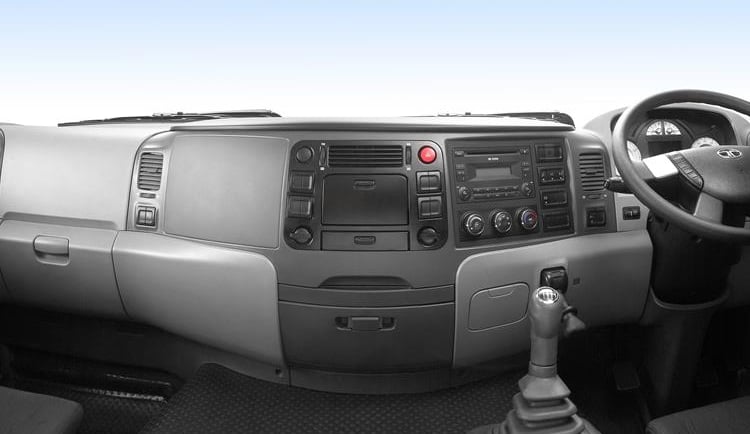
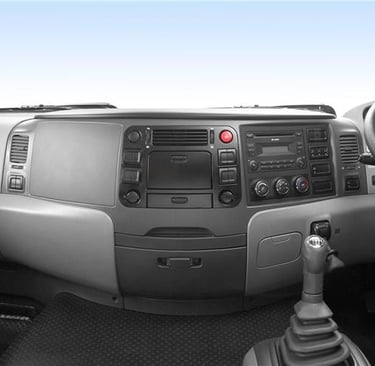
NEW DELHI: In a landmark move to enhance driver welfare and improve working conditions in the trucking industry, the Ministry of Road Transport and Highways (MoRTH) has mandated that all newly manufactured medium and heavy-duty trucks (categories N2 and N3) must be equipped with air-conditioned cabins starting October 1, 2025.
The directive, announced by Union Minister for Road Transport and Highways Nitin Gadkari and formalized through a recent gazette notification, marks a significant step towards addressing long-standing concerns over driver fatigue, health, and the overall appeal of the trucking profession.
Key Highlights of the Mandate
Effective Date: From October 1, 2025, all new trucks in the N2 and N3 category—typically medium and heavy-duty commercial vehicles—will be required to come with factory-fitted air-conditioned cabins.
Scope: The mandate covers newly manufactured trucks only. Existing vehicles already in operation will not be subject to retrofitting requirements, though industry observers note that fleet operators may gradually phase out older models in favor of compliant trucks.
Standards: The new cabins must comply with IS14618:2022, the latest standards governing safety, ventilation, and cooling systems in commercial vehicle cabins.
Purpose: The government has emphasized that this move is primarily aimed at improving the comfort and health of truck drivers, who often spend long hours on the road under extreme weather conditions. Enhanced cabin conditions are expected to reduce fatigue-related accidents and boost overall safety.
Significance for Drivers and Industry
India’s trucking sector, the backbone of its logistics and supply chain, has faced a persistent shortage of drivers, with many leaving the profession due to strenuous working conditions. Long hours behind the wheel in poorly ventilated cabins, often in sweltering heat, have contributed to health risks including dehydration, stress, and chronic fatigue.
By mandating air-conditioned cabins, the government hopes to make the profession more attractive, thereby tackling the shortage of skilled drivers. “This reform will not only safeguard the health of our drivers but also encourage more youth to take up trucking as a respectable and safer career,” Minister Gadkari stated while announcing the decision.
For fleet operators, the rule could bring both opportunities and challenges. While upfront vehicle costs may rise slightly due to factory-fitted AC systems, the long-term benefits in terms of reduced accidents, better driver retention, and higher productivity are expected to outweigh the initial investment.
Industry Reactions
Truck manufacturers have largely welcomed the move, with many already preparing to align their production lines with the new standards. Leading OEMs like Tata Motors, Ashok Leyland, and BharatBenz have previously introduced AC cabins in select premium models, but the new mandate will make it an industry-wide requirement.
Transport associations have also expressed cautious optimism. While they recognize the potential cost implications, they acknowledge that better working conditions for drivers are critical for sustaining India’s growing logistics demand.
Looking Ahead
With India’s economy increasingly reliant on efficient freight movement, the October 2025 mandate signals a broader shift towards modernizing the country’s commercial vehicle fleet. By placing driver welfare at the center of policy, the government aims not just to improve road safety but also to elevate the standards of the trucking industry in line with global benchmarks.
As implementation draws closer, truck owners, operators, and manufacturers will be preparing for this transition—one that could redefine the future of India’s transport ecosystem.