Indian Railways Cuts Bulk Cement Freight Rate to ₹0.90 per Tonne-Km; Calls for More Specialized Wagons and Freighters
Indian Railways’ decision to reduce the freight rate for bulk cement to ₹0.90 per tonne-km marks a crucial step in reshaping the freight ecosystem. By encouraging greater use of rail for industrial cargo and pushing for specialized wagons and enhanced freighter capacity, the ministry aims to create a robust, efficient, and modern logistics network.
11/23/20254 min read
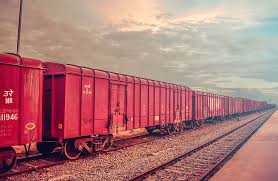
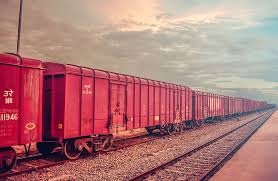
In a major move aimed at boosting industrial logistics and strengthening the freight ecosystem, Indian Railways has reduced the freight rate for bulk cement to ₹0.90 per tonne per kilometre, marking one of the most significant price revisions in recent years. The announcement comes alongside the ministry’s renewed push for specialized wagons and enhanced freighter capacity, particularly for its expanding truck-on-train service model.
The decision is expected to make rail transport more competitive against road transport, bringing down logistics costs for cement manufacturers—one of the largest clients of the railway freight segment.
A Strategic Move to Strengthen the Cement Supply Chain
India is the world’s second-largest cement producer, and the industry is heavily dependent on transportation to move bulk cargo from plants to warehouses, regional hubs, and construction sites. Traditionally, the cement sector has relied on both road and rail networks, but road transport often dominates due to flexibility and faster delivery cycles.
However, the cost structure of rail freight, especially over long distances, makes trains an economically attractive mode. By reducing the freight rate to ₹0.90 per tonne per km, the Railways aims to recapture part of the market share lost to road transport.
Officials noted that the revised rate will:
Reduce logistics costs for cement companies.
Encourage long-distance movement of bulk cement through rail.
Increase freight loading, thereby improving revenue in the long term.
Enhance efficiency through larger volumes and dedicated rake movements.
Industry analysts say that even a small reduction in per-tonne-km charges can translate into significant savings for cement producers, especially for companies operating across multiple states.
Push for Specialized Wagons to Support ‘Truck-on-Train’ Model
Alongside the price reduction, Indian Railways is placing stronger emphasis on acquiring specialized wagons, particularly designed to handle modern logistics demands such as the truck-on-train service.
The truck-on-train model allows loaded trucks or containers to be directly transported on railway wagons. This hybrid approach reduces road congestion, fuel consumption, carbon emissions, and improves last-mile connectivity for industrial goods.
To expand this service nationwide, the ministry is seeking:
Low-platform wagons capable of carrying loaded trucks.
High-strength container wagons built for heavy-duty freight.
Weather-proof bulk cargo wagons optimized for cement and raw material movement.
Next-generation brake systems and safety designs to handle multi-axle truck loads.
Railway officials state that increasing the availability of such wagons will enable the network to handle higher-value cargo with reduced transit time and greater operational reliability.
Need for More Freighters to Meet India’s Growing Logistics Demand
Railway Minister recently highlighted the growing need for more freighters and freight operators in the country, stressing that India’s logistic demands are at a historic high due to rapid infrastructure growth, booming manufacturing activity, and the construction push under various central government schemes.
He noted that:
Freight carrying capacity must grow proportionally with economic expansion.
More private participation is essential in wagon procurement and operation.
India aims to increase the share of railways in freight transport to more than 40% in the coming years.
The government is open to PPP (Public–Private Partnership) models to accelerate wagon development and fleet expansion.
The minister also indicated the possibility of introducing incentive schemes for private logistics companies that invest in building or leasing specialized railway wagons.
Cement Industry Response: Positive Outlook with Anticipated Cost Benefits
Early reactions from the cement industry suggest optimism.
Many manufacturers have been advocating for reduced freight costs, especially since logistical expenses account for 20–25% of the total cost of cement. Lower freight charges could make cement distribution more viable and improve competitiveness of regional brands.
Companies operating large manufacturing hubs in states such as Rajasthan, Andhra Pradesh, Gujarat, Madhya Pradesh, and Tamil Nadu are likely to gain immediate benefits, as these states rely heavily on long-distance shipments.
Analysts predict that:
Consumers in distant markets may see stable or slightly lower cement prices.
Railways may attract higher freight volumes, especially during peak construction seasons.
Environmentally, the shift to rail will reduce emissions and diesel consumption.
Benefits for the Railways: Higher Volumes to Offset Lower Rates
Although the freight rate has been reduced, Railways expects to gain overall revenue from increased volume. Cement, coal, and foodgrains are the top three contributors to railway freight earnings.
By offering competitive rates, Railways aims to:
Increase average rake utilization.
Boost long-haul freight bookings.
Improve multi-modal logistics integration.
Strengthen its position in the freight transport sector.
Over recent years, Railways has invested heavily in Dedicated Freight Corridors (DFCs), automated yards, digital freight management systems, and loaded wagon tracking—further enhancing freight efficiency.
‘Truck-on-Train’ Service: The Future of Hybrid Logistics
The truck-on-train model, already implemented in Europe and Japan, is still in a developmental phase in India. With road congestion increasing and environmental concerns rising, this model offers a sustainable and scalable logistics solution.
Key advantages include:
Reduced carbon emissions due to shorter road journeys.
Less highway wear and tear, reducing maintenance costs for the government.
Improved driver safety and reduced fatigue.
Faster long-distance movement, as trains bypass road traffic delays.
Railway officials say that once specialized wagons become widely available, the model can be deployed on multiple key routes, including the Delhi–Mumbai corridor, the Chennai–Bengaluru belt, and key mineral supply chains.
Government’s Broader Logistics Vision
The freight rate cut aligns with India’s broader logistics strategy, which includes:
The PM Gati Shakti National Master Plan.
Dedicated Freight Corridors.
Multi-modal logistics parks.
Port–rail connectivity projects.
Digitized freight handling systems.
The goal is to reduce India’s overall logistics cost from 13–14% of GDP to 8–9%, making the country more competitive globally.
Conclusion: A Step Towards Modern, Cost-Efficient Rail Freight
Indian Railways’ decision to reduce the freight rate for bulk cement to ₹0.90 per tonne-km marks a crucial step in reshaping the freight ecosystem. By encouraging greater use of rail for industrial cargo and pushing for specialized wagons and enhanced freighter capacity, the ministry aims to create a robust, efficient, and modern logistics network.
As India’s industrial and construction sectors continue to expand, these changes are expected to boost economic growth, reduce environmental impact, and strengthen the country’s position in global supply chains.