India’s 12.5-ton payload trucks: what buyers are paying, what they get, and how they finance them
If you’re buying a 12.5-tonne payload-capable truck today: expect to pay around ₹20–28 lakh ex-showroom, confirm payload and GVW carefully (state RTO classification matters), plan finance early (shop rates from banks and NBFCs — best offers can start below 8% for prime customers, but average market rates are higher), and build a maintenance schedule to protect fuel economy and residual value. Test-drive with the actual body (tipper/container/box) fitted where possible — that reveals real steering, braking and hill-climb behaviour under load.
10/25/20253 min read
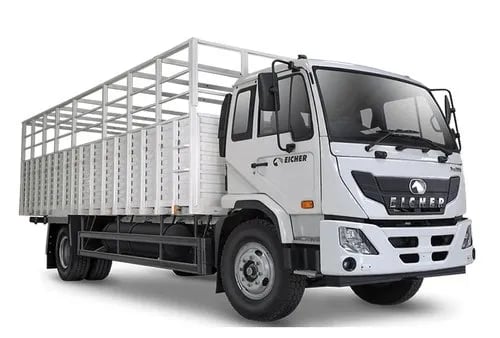
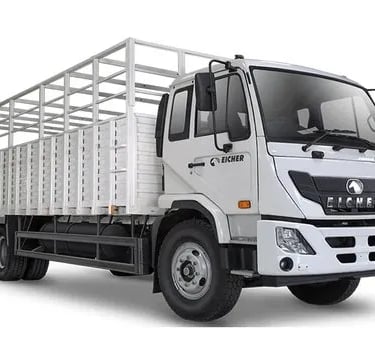
India’s intermediate-heavy commercial vehicle market — the workhorse band that carries roughly 10–15 tonnes GVW/payload — has tightened into a competitive band of offerings from Tata, Ashok Leyland, Mahindra, Eicher and BharatBenz. For buyers who need roughly 12.5-ton payload capability (models with ~11.9-13 tonne GVW and payloads in the 6–8.5 tonne range), choices now mix modern drivetrains, better fuel economy claims and a richer finance ecosystem. Here’s a roundup of prices, driveline and durability features, real-world mileage expectations, and the finance options buyers are using. TruckDekho+2Eicher Trucks and Buses+2
Price band and what it buys you
Ex-showroom prices for mainstream 12-ton category trucks in 2025 typically sit in the ₹20–28 lakh band depending on brand, variant and body fitment. For example, Tata’s 1212 LPT is listed in the low-to-mid ₹20 lakh range, Mahindra’s Furio 12 begins around the low ₹22 lakh mark, Eicher’s Pro-2110 variants appear around ₹21–24 lakh, while higher-spec Ashok Leyland/BharatBenz variants push toward the mid-to-high ₹20 lakhs. These prices exclude RTO, insurance and body building — each of which can add substantially depending on state and body type (tipper/container/box). TruckDekho+2TruckDekho+2
Driveline and features buyers care about
Manufacturers have standardised around BSVI-compliant diesel engines in this band, 3.3–4.0-litre displacement class, with power outputs commonly between 100–170 PS and torque figures tuned for low-end pull (300–525 Nm range). Typical gearboxes are 5–6 speed manuals; heavy-duty front/rear axles, parabolic/semi-elliptic spring suspensions and 6-tyre (6x2/6x4 in some variants) configurations are common. Safety/comfort additions vary — from air brakes and ABS on higher-spec trucks to driver-comfort cabins, telematics-ready ECU setups, and optional power take-off (PTO) for tippers and tankers. Specification pages for BharatBenz, Tata, Mahindra and Eicher show this broad convergence on rugged drivetrains and heavy-duty chassis design. Eicher Trucks and Buses+3bharatbenz.com+3Tata Motors Trucks+3
Mileage — realistic expectations
Manufacturers’ claims differ by duty cycle, but independent listings and dealer pages place real-world mileage for 10–15 tonne GVW trucks in the 6–10 kmpl band on diesel, with long-haul, lightly-loaded runs at the upper end and heavy, stop-start regional duties at the lower end. Buyers should budget conservatively — fuel is usually the single largest operating cost — and expect actual economy to be affected by payload, terrain, tyre choice and driver behaviour. TruckDekho+1
Durability and total cost of ownership
Durability remains the manufacturers’ headline: robust frames, multi-leaf rear springs with helper springs, and heavier axles for longer life. OEMs are also promoting longer service intervals, telematics for predictive maintenance and extended warranties on powertrain components in certain packages. Independent buyers and fleet operators still say lifecycle depends heavily on maintenance discipline: regular oil/air-filter schedules, correct tyre pressures and avoiding chronic overloading dramatically extend life and resale value. Manufacturer spec pages highlight heavy-duty axle ratings and BSVI engine robustness as selling points. Eicher Trucks and Buses+1
Financing: who lends and at what cost
Commercial vehicle loans are widely available from banks and NBFCs; large mainstream banks (SBI, HDFC, Axis) and specialized NBFCs finance new and used trucks. Interest rates for commercial vehicle loans vary by lender, borrower profile, and collateral, but market ranges in 2025 often span ~7.5% p.a. (best-case for strong borrowers) up to mid-teens for riskier profiles or longer tenures. Many lenders also offer manufacturer-tied schemes (low EMI introductory offers, down-payment assistance, and bundled maintenance/insurance packages). Typical tenures for new 12-ton trucks are 3–6 years; down-payments usually range from 10–25% depending on credit and scheme. Always compare the effective interest rate (including processing fees) and pre-payment terms. Moneyview+1
Choosing by use case
Long-haul general cargo: prioritize fuel economy, high torque at low rpm, and driver comfort (sleeper/ergonomics). Mahindra Furio and Eicher Pro lines are targeted at this use. Mahindra Truck and Bus+1
Construction/tipper duty: choose stronger frames, higher ground clearance and tipper-specific PTO/hoist compatibility — Ashok Leyland and BharatBenz offer rugged tipper derivatives. TruckDekho+1
Distribution/urban/regional: nimble chassis, easy turning radius and slightly lighter gear ratios help; Tata and Eicher have strong dealer networks for last-mile support. Tata Motors Trucks+1
Takeaways for fleet owners and owner-operators
If you’re buying a 12.5-tonne payload-capable truck today: expect to pay around ₹20–28 lakh ex-showroom, confirm payload and GVW carefully (state RTO classification matters), plan finance early (shop rates from banks and NBFCs — best offers can start below 8% for prime customers, but average market rates are higher), and build a maintenance schedule to protect fuel economy and residual value. Test-drive with the actual body (tipper/container/box) fitted where possible — that reveals real steering, braking and hill-climb behaviour under load. TruckDekho+1
The 12-ton band remains the backbone of India’s goods movement: competitive pricing, stronger warranties and more flexible financing make it easier than ever for new operators to enter the business — provided they buy to match mission profile and keep a sharp eye on fuel and maintenance costs.