Kerala Cracks Down on High-Decibel Air Horns After Transport Minister Targeted
Still, Kerala’s choice to convert seizure into spectacle—displaying and crushing horns publicly—may set a strong precedent for other states grappling with noise pollution. If sustained beyond the one-week drive, it could mark a new chapter in regulating vehicular sound levels across the state.
10/14/20253 min read
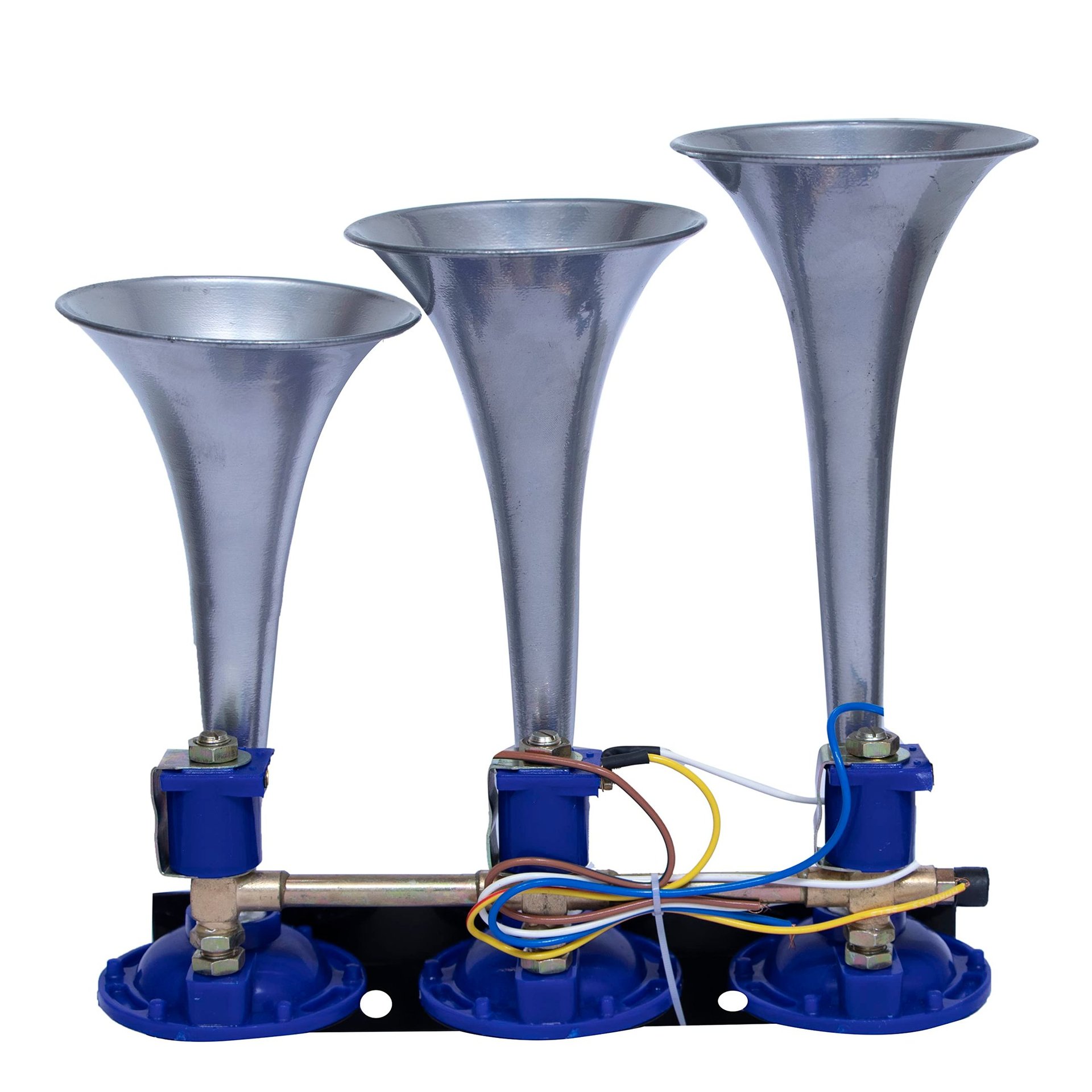
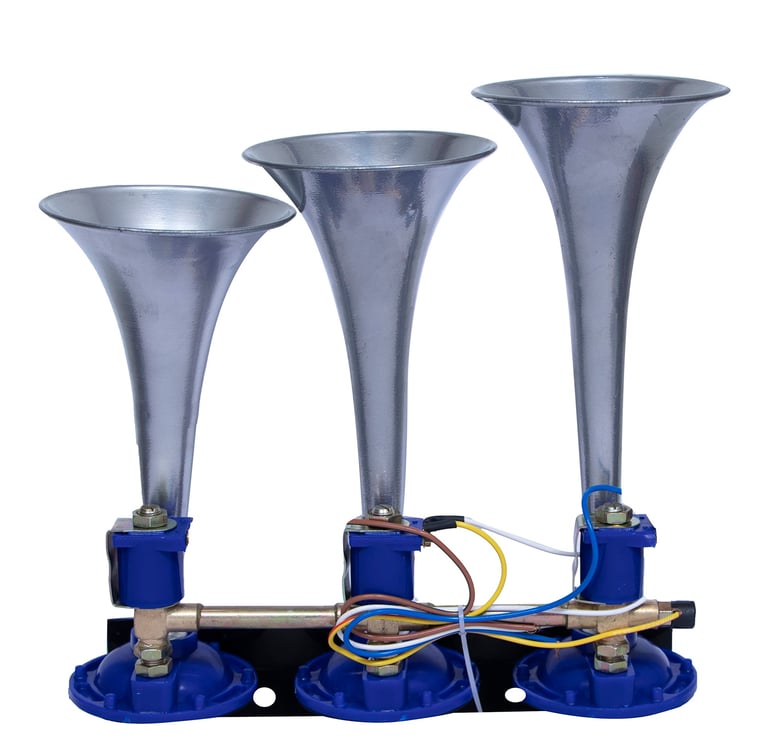
Thiruvananthapuram, Oct 14, 2025 — In a bold move aimed at curbing noise pollution and asserting road discipline, Kerala’s Motor Vehicles Department (MVD) has launched a state-wide crackdown on vehicles fitted with high-decibel “air horns” after an incident in which the state’s Transport Minister was targeted by aggressive honking during a public event. The New Indian Express+1
Incident that triggered the action
The chain of events began in Kothamangalam, when private stage carriers blared loud horns during an inauguration function attended by Transport Minister K. B. Ganesh Kumar. The minister immediately directed that the offending bus’s permit be cancelled and the driver’s license suspended. The New Indian Express The incident drew public outrage and was viewed as a signal that the state government would no longer tolerate flagrant violations of noise norms. @mathrubhumi
The crackdown: regulation, implementation, and symbolism
Beginning October 13, Kerala’s MVD initiated a special inspection drive that will last through October 19, across all districts. @mathrubhumi+1 Officials are tasked with identifying vehicles using unauthorized air horns, seizing them, and destroying the units by crushing them publicly under a road roller. @mathrubhumi+1 The seized horns are to be displayed to the media before destruction, meant as a “dramatic message” to deter future violations. The New Indian Express+1 Reports suggest that daily reports on seizures will be submitted, and the total number of horns confiscated will be tallied by the end of the drive. The New Indian Express
Legal and regulatory framework
Under the Central Motor Vehicles Rules, there are limits on horn sound levels and prohibitions against horns that produce “unduly harsh, shrill, loud or alarming noise.” The Times of India+2@mathrubhumi+2 Kerala’s High Court and state MVD have issued prior directives to remove unauthorized horns. @mathrubhumi+1 In earlier crackdowns (e.g. “Operation Decibel” in previous years), fines of up to ₹2,000 have been imposed, and vehicles have been required to replace illegal horns or risk cancellation of fitness or permits. @mathrubhumi+1
In practice, MVIs or inspectors carry decibel meters to test horn noise levels. Some orders instruct that horns exceeding prescribed noise thresholds be removed on the spot. The Times of India+2The New Indian Express+2 The new operation strengthens these measures by adding public destruction and more visible enforcement. @mathrubhumi+1
Drivers’ perspectives
Many drivers view the crackdown with mixed feelings. On one hand, several admit that standard-issue horns often fail to cut through background noise, traffic chaos, and other honkers — pushing them to install louder variants. This is not unique to Kerala; nationwide, some horns now exceed 120 decibels, compounding the noise pollution problem. KERA News Others, however, see the state’s step as overdue and overdue regulation of an often-overlooked public nuisance. Some drivers say that when everyone honks excessively, trust and predictability on roads drop—and a strict crackdown may restore sanity.
Still, a few smaller vehicle owners complain of lack of affordable, compliant alternatives to the high-decibel models, and the risk of seizure or permit cancellation is creating anxiety. Some say they were unaware their horn violated norms; enforcement, they argue, must be accompanied by awareness and facilitation to comply.
Owners’ and public reaction
Vehicle-owners associations and contract carriage operators have expressed vindication: many had long called for stricter enforcement of noise rules and a level playing field (so that those obeying norms are not disadvantaged). Some see the symbolism of public destruction of horns as a strong deterrent. Yet others caution that the crackdown must avoid arbitrary targeting and ensure due process — seizures, fines and cancellation should follow proper notice and hearing.
From a broader viewpoint, citizens and noise-control activists have welcomed the move, arguing that unchecked honking impairs hearing, causes stress, distracts drivers and aggravates urban discomfort. The visible, high-profile nature of this campaign is likely meant to signal that noise pollution will no longer be tolerated as a second-class concern.
Challenges ahead and outlook
While the crackdown is likely to grab headlines, implementation across every district will be challenging—especially in remote or rural areas where enforcement has traditionally been patchy. Ensuring that decibel meters are calibrated, enforcement is fair, and corruption is avoided will be critical. Moreover, a long-term solution will require continuous monitoring, citizen complaints mechanisms, public awareness campaigns, and provisions for compliant, affordable horn replacements.
Still, Kerala’s choice to convert seizure into spectacle—displaying and crushing horns publicly—may set a strong precedent for other states grappling with noise pollution. If sustained beyond the one-week drive, it could mark a new chapter in regulating vehicular sound levels across the state.