Major GST Reform Spurs Broad Commercial Vehicle Price Cuts Across India
The 2025 GST reform marks a pivotal moment for India’s commercial vehicle industry. With nearly all major manufacturers now committing to pass full benefits to customers, the era of sharply lower acquisition costs is underway. However, this victory is partial: existing truck owners, dealers, and transporters still contend with structural challenges—declining freight rates, fuel volatility, and steep operating expenses.
9/29/20253 min read
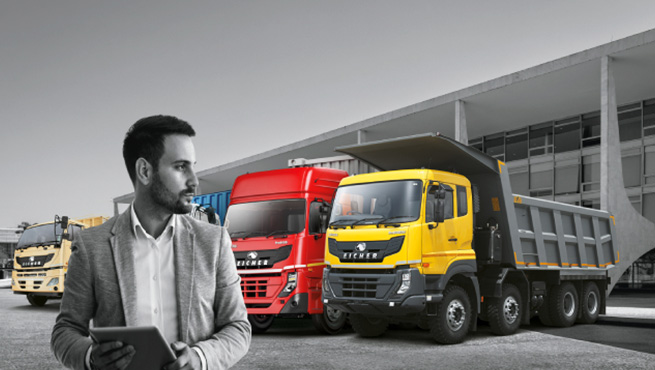
New Delhi, September 2025 — In one of the most sweeping changes to India’s commercial vehicle (CV) taxation in recent memory, the GST Council’s decision to reduce GST on commercial vehicles from 28% to 18% has triggered a wave of price reductions across the industry. Manufacturers from Tata and Ashok Leyland to Eicher/Volvo (VECV), Mahindra, BharatBenz and others are now passing on the benefit to customers—bringing relief to fleet operators, transporters, and small businesses burdened by high acquisition costs.
What’s Changed: The GST Shift
The previous 28% GST slab (plus applicable cesses) for commercial vehicles is being replaced by an 18% rate for most truck and bus segments.
Electric trucks and buses continue to enjoy a concessional rate of 5%. eichertrucksandbuses.com+2MotownIndia.com+2
The change takes effect from 22 September 2025, and manufacturers are committing to passing full benefit of this cut to customers. 91 Trucks+4Tata Motors+4eichertrucksandbuses.com+4
This reduction is being widely viewed as a strategic move to revitalize demand in the commercial vehicle sector, encourage fleet modernization, and reduce logistics costs across the economy.
Price Cuts by Manufacturer & Segment
Here’s a snapshot of key manufacturers and how they’re adjusting prices:
Tata Motors
Tata has pledged to pass on the entire GST benefit across its commercial vehicle portfolio from September 22. Tata Motors+2TruckDekho+2
Expected price reductions:
• HCVs: ₹2,80,000 to ₹4,65,000 MotownIndia.com+3Tata Motors+3TruckDekho+3
• ILMCVs (Intermediate, Light & Medium): ₹1,00,000 to ₹3,00,000 Tata Motors+2TruckDekho+2
• Buses & vans: ₹1,20,000 to ₹4,35,000 Tata Motors+2TruckDekho+2
• SCV passenger vehicles: ₹52,000 to ₹66,000 Tata Motors+1
• SCVs & pickups: ₹30,000 to ₹1,10,000 Tata Motors+2TruckDekho+2
Tata’s scale and leadership in CVs means its moves will likely set a benchmark for others.
Ashok Leyland
The company has welcomed the GST cut, calling it a crucial enabler for replacement demand in India’s ageing truck fleet. Tractor Junction Trucks
While specific price announcements aren’t as detailed as Tata’s, Ashok Leyland is expected to match or follow similar discount levels for medium and heavy trucks. Tractor Junction Trucks
Eicher / VECV (Volvo-Eicher JV)
VE Commercial Vehicles (VECV) has confirmed it will extend the full GST reduction benefit to buyers. eichertrucksandbuses.com
Price-reduction ranges announced:
• LMD (Light-Medium-Duty) trucks: ₹1.0 to 2.0 lakhs eichertrucksandbuses.com
• HD (Heavy-Duty) trucks: ₹1.5 to 6.0 lakhs eichertrucksandbuses.com
• Buses: ₹1.1 to 3.4 lakhs eichertrucksandbuses.com
These cuts align with the trend of manufacturers aggressively passing benefits to encourage new purchases.
Mahindra, BharatBenz, and Others
Mahindra is reported to be offering festive benefits combined with GST pass-through discounts on its commercial vehicles, though precise cut figures vary by model and region. 91 Trucks+1
BharatBenz (Daimler India Commercial Vehicles) has not yet publicly detailed its revised prices, but being an established player, it is expected to follow suit to remain competitive. Wikipedia
Industry-wide, a motoring publication notes that “Commercial Vehicle manufacturers pass on GST cut benefit to consumers” is a widespread trend. MotownIndia.com
Why This Matters: Impacts & Implications
Easing Acquisition Costs & Encouraging Modernisation
New vehicle buyers—especially small fleet operators and owner-drivers—stand to benefit from significantly lower upfront costs. The reduction in stamp duty may accelerate the replacement of older, inefficient trucks, helping reduce emissions and improve operational efficiency.
Pressure on Used / Second-Hand Truck Market
Much like what is being observed already with Tata’s cuts, buyers negotiating used trucks are demanding price adjustments, citing new model discounts. This will likely lead to softening resale values, particularly for trucks bought recently. Dealers face a balancing act—adjusting for market sentiment while retaining margins.
Operational Headwinds Remain
While GST cuts ease purchase cost, existing challenges for transporters persist:
Low Freight Rates: Overcapacity, weak commodity cycles, and competition have depressed freight pricing in many corridors, squeezing margins.
Diesel & Fuel Costs: Fuel is still a major cost component, and fluctuations in diesel pricing can erode gains from tax cuts.
Tolled Infrastructure: Growing toll charges across national highways and expressways impose fixed costs irrespective of distance or load.
Financing & Debt Burden: Many operators remain sensitive to interest rates, loan terms, and working capital constraints.
Unless freight pricing and fuel costs improve in tandem, many operators may struggle to realize full benefit from GST cuts.
Market Response & Outlook
According to industry reports, CV sales are expected to jump, driven by a convergence of GST relief and the upcoming festive season. 91 Trucks
Replacement demand in India is significant: many estimates suggest 11–12 lakh trucks older than 10 years could be candidates for renewal. Ashok Leyland’s leadership is openly banking on that demand. Tractor Junction Trucks
Analysts caution, however, that demand will recover gradually and regional variances in demand, credit, and infrastructure will shape outcomes.
In Summary
The 2025 GST reform marks a pivotal moment for India’s commercial vehicle industry. With nearly all major manufacturers now committing to pass full benefits to customers, the era of sharply lower acquisition costs is underway. However, this victory is partial: existing truck owners, dealers, and transporters still contend with structural challenges—declining freight rates, fuel volatility, and steep operating expenses.
As the new pricing regime unfolds, much depends on how quickly the transport and logistics sector responds—and whether downstream cost pressures (fuel, tolls, interest rates) ease concurrently. India’s commercial vehicle landscape is entering a new chapter—one marked by opportunity, adjustment, and cautious optimism.