Maruti Suzuki Sales Soar After GST Rate Cut: Record 4 Lakh Bookings and Festive Boom
With its strong supply chain and vast dealer network, Maruti Suzuki managed to meet the sudden demand spike effectively. The company is expected to maintain momentum through the rest of the festive season, while other manufacturers are lobbying for similar tax reductions to stay competitive.
10/16/20252 min read

New Delhi, October 2025:
India’s largest carmaker, Maruti Suzuki, has witnessed a historic surge in sales following the GST rate cut announced in September 2025, setting multiple company records in bookings and deliveries. The move has reignited demand in the small car segment, which had been showing signs of stagnation over the past few years.
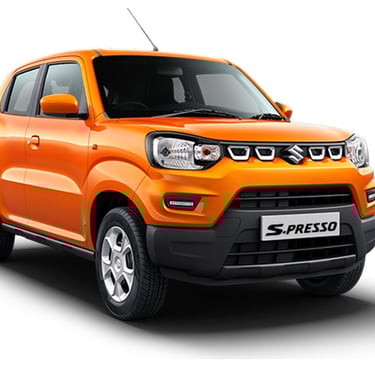
According to the company’s data, Maruti Suzuki recorded over 400,000 bookings and 250,000 retail sales in the month following the tax reduction—its best-ever festive season performance. The lower prices on small cars such as the Alto, S-Presso, Celerio, and WagonR helped push the segment’s contribution to overall sales from 16.7% before the GST cut to 22.2% after the price drop.
On the first day of the new pricing—September 22, 2025—the automaker received an overwhelming response from customers. More than 80,000 inquiries poured in within hours, and over 25,000 cars were delivered on the same day, marking the company’s strongest single-day performance in its history.
GST Cut Triggers Buying Wave
The central government’s decision to reduce GST on small cars provided a major financial incentive for buyers. The price of the S-Presso dropped by up to ₹1.3 lakh, while the Alto K10 saw a reduction of around ₹1.1 lakh. These cuts made entry-level vehicles significantly more affordable for middle-class and first-time car buyers, sparking a rush to showrooms across the country.
Dealers reported heavy footfall and extended working hours during the Navaratri and Diwali seasons, as customers sought to take advantage of both festive offers and lower prices. Many buyers who had postponed their purchases earlier this year due to high costs finally made the decision after the GST announcement.
Revival of the Small Car Segment
The small car segment, once the backbone of Maruti Suzuki’s sales, had been losing ground to compact SUVs and premium hatchbacks in recent years. The new GST rates, however, seem to have reversed this trend—at least temporarily. Entry-level models like the Alto and S-Presso emerged as the biggest gainers, while mid-range vehicles such as the Swift, Dzire, Baleno, Fronx, and Ignis also experienced a rise in inquiries and bookings.
Market Analysts’ View
Industry experts say that the combination of tax relief, festive sentiment, and pent-up demand created a “perfect storm” for Maruti Suzuki. “This is a textbook case of how price sensitivity drives India’s automobile market,” said a senior auto analyst. “The GST cut made cars more accessible, particularly in Tier-II and Tier-III cities, where affordability is a key factor.”
Looking Ahead
With its strong supply chain and vast dealer network, Maruti Suzuki managed to meet the sudden demand spike effectively. The company is expected to maintain momentum through the rest of the festive season, while other manufacturers are lobbying for similar tax reductions to stay competitive.
The success story following the GST rate cut highlights how fiscal policy changes can dramatically influence consumer behavior in the automobile industry—especially in price-sensitive segments like small cars.