National Waterways Push: India Targets 76 Operational Waterways by 2027 to Build a Greener Logistics Future
Besides cargo efficiency, boosting waterways is expected to generate employment in rural regions by promoting allied sectors such as boat manufacturing, repair facilities, small landing terminals, river tourism, and fisheries. States like Assam, Odisha, West Bengal, and Kerala are expected to benefit significantly from new water-based economic activities.
11/18/20252 min read
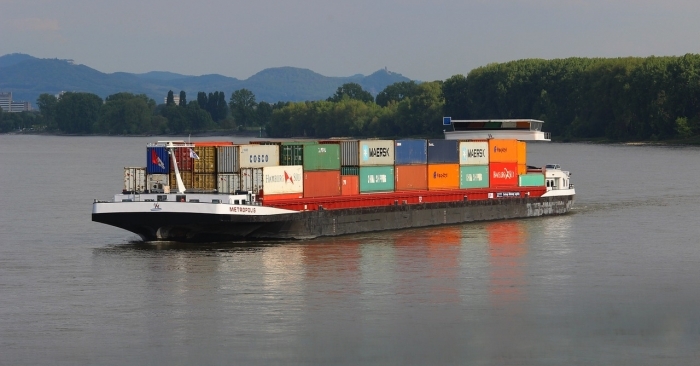
In a major push toward building a cleaner, more cost-effective, and energy-efficient freight network, the Government of India has announced plans to operationalize 76 national waterways by 2027, significantly expanding the country’s inland water transport (IWT) capacity. The initiative aims to shift a sizeable share of cargo movement from congested highways and rail routes to rivers, canals, and backwaters, strengthening India’s green logistics footprint.
According to officials from the Ministry of Ports, Shipping and Waterways (MoPSW), the expansion of the national waterways network aligns with India’s long-term strategy to reduce logistics costs—from the current 13–14% of GDP to below 8%—by adopting multimodal transport. Waterways, which are nearly five times more fuel-efficient than road transport and substantially less polluting, are being positioned as a key solution to this transition.
India currently has 111 notified national waterways. However, only a limited number—including NW-1 (Ganga), NW-2 (Brahmaputra), NW-3 (West Coast Canal), and select stretches of NW-16 and NW-97—are fully functional for large-scale cargo operations. The government’s new target seeks to bring an additional 70+ waterways online within two years, covering major rivers such as the Godavari, Krishna, Mahanadi, Narmada, Kaveri, and key inland channels across Uttar Pradesh, Bihar, Odisha, Assam, Andhra Pradesh, Karnataka, Maharashtra, and Kerala.
The ongoing development includes dredging, river training, construction of terminals, night navigation systems, installation of RIS (River Information Services), and modernization of jetties and cargo handling infrastructure. Projects are currently being undertaken under the Sagarmala Programme and the Jal Marg Vikas Project (JMVP).
Officials say the expansion will facilitate the movement of coal, cement, foodgrains, fertilizers, fly ash, steel, automobiles, containers, and even passenger ferries along environmentally sustainable routes. Several logistics companies and port operators have already shown interest in integrating IWT into their supply chains, especially for long-distance bulk cargo.
The government has also been working to promote river-sea shipping, a model expected to connect major waterways with coastal routes. This will allow seamless cargo movement between inland terminals and ports like Kolkata, Haldia, Paradip, Kochi, and Kandla without the need for transshipment.
Besides cargo efficiency, boosting waterways is expected to generate employment in rural regions by promoting allied sectors such as boat manufacturing, repair facilities, small landing terminals, river tourism, and fisheries. States like Assam, Odisha, West Bengal, and Kerala are expected to benefit significantly from new water-based economic activities.
While the project promises major economic and environmental gains, experts note that challenges remain. Seasonal water flow, river depth variations, encroachment, siltation, and coordination between central and state agencies continue to be key hurdles. Stakeholders also emphasize the need for stable dredging policies and incentives to encourage private operators to adopt waterway logistics.
Despite these challenges, the government remains confident that the target of 76 operational national waterways by 2027 is achievable. If successful, India’s inland water transport sector could emerge as one of the strongest pillars of the country’s green logistics ecosystem, reducing carbon emissions, cutting freight costs, decongesting highways, and improving long-term supply chain efficiency.