Truck Owners in Dakshina Kannada Demand Urgent Action Amid Rising Losses
Truckers allege that despite repeated appeals, authorities have failed to act on rampant overloading, stagnant freight rates, and unchecked illegal operations by out-of-state vehicles. With costs spiraling and revenues remaining stagnant, the sector is staring at unsustainable losses.
9/29/20252 min read
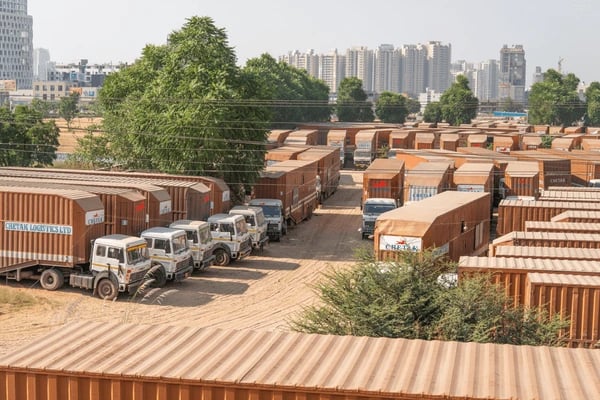
Mangalore: The Dakshina Kannada Truck Owners’ Association has raised alarm over mounting exploitation in the transport sector, warning that thousands of local operators are on the verge of financial collapse unless the government steps in with immediate corrective measures.
Truckers allege that despite repeated appeals, authorities have failed to act on rampant overloading, stagnant freight rates, and unchecked illegal operations by out-of-state vehicles. With costs spiraling and revenues remaining stagnant, the sector is staring at unsustainable losses.
Overloading and safety concerns
One of the primary issues flagged by the association is the practice of overloading trucks, particularly those carrying laterite soil and raw materials. Many vehicles are allegedly loaded well beyond permissible limits, resulting in serious road damage and increased accident risks. Truckers argue that enforcement has been weak, and offenders often go unpunished. This, they say, not only compromises safety but also creates unfair competition for operators who adhere to legal norms.
Stagnant freight rates
Another pressing concern is freight charges that have remained unchanged for over a decade. While the government has officially notified rates for different truck categories, weak enforcement has allowed middlemen to dominate the system. As a result, operators are often forced to accept underpaid consignments, pushing many into financial distress.
“Freight rates have not been revised in ten years, but our expenses have doubled and even tripled in some cases. We cannot survive under these conditions,” said Sushanth Shetty, President of the Association.
Rising costs and mounting losses
The financial pressure has worsened due to escalating diesel prices, toll fees, spare parts, tyre replacements, and compliance expenses. Operators say that even routine maintenance and breakdown repairs have become unaffordable.
A recent assessment of truck operations in the region revealed a net shortfall of nearly ₹1.24 crore across the reported period. This deficit highlights the gravity of the crisis: truckers are effectively operating at a loss, unable to cover even their basic running costs. Unless freight charges are corrected in line with rising input costs, the losses are expected to deepen, threatening the survival of small and medium operators.
Illegal operations by outside vehicles
Truck owners have also complained about out-of-state vehicles engaging in “two-point loading” within Karnataka, a practice that is prohibited under transport rules. By bypassing regulations, these operators secure more trips at lower costs, further eating into the income of local truckers. The association has urged the government to crack down on such activities to protect the livelihoods of local operators.
Demands and possible agitation
Alongside enforcement of fair freight rates, truck owners are demanding land for a dedicated parking yard and greater transparency in the functioning of cement godowns, where they allege partiality and manipulation in loading practices.
“If the government fails to intervene, we will be forced to resort to strikes and demonstrations. This is not just our survival at stake—if trucks stop running, industries and construction projects across the region will come to a halt,” Shetty cautioned.
Outlook
With transport forming the backbone of Dakshina Kannada’s economy, the stakes are high. Truck owners are now waiting for decisive action from the administration. Unless their demands are met, the region could face a major disruption in goods movement, directly affecting supply chains, industries, and employment.
The message from the truckers is clear: without urgent reforms, fair rates, and strict enforcement against illegal practices, the local trucking industry may collapse under the weight of exploitation and rising losses.