Trucking and Logistics Sector Sees Strong Momentum as Truck Rentals Rise and Infrastructure Expands
The rise in truck rentals, coupled with expanding logistics infrastructure in cities like Bengaluru and Kochi, signals a strong revival in India’s freight ecosystem. The 1–2% rental uptick during September and October—though moderate—reflects healthy underlying demand, positive regulatory impact, and expanding economic activity across sectors.
11/23/20253 min read

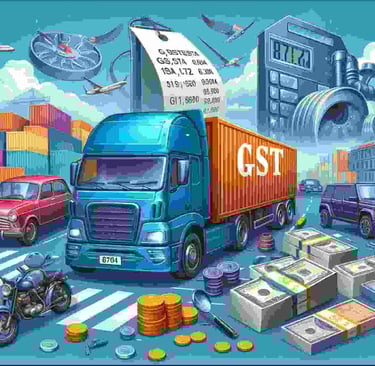
New Delhi, November 2025:
India’s trucking and logistics sector recorded renewed momentum over September and October, driven by a sharp revival in pre-festive demand, GST-related efficiencies, and rapid expansion of logistics infrastructure across metro and tier-II cities. According to market trackers, truck rentals rose by 1–2% during the two-month period, marking one of the strongest seasonal upticks seen in 2025.
Industry insiders say the rise is significant considering the otherwise moderate freight environment through the first half of the year. The uptick is being credited to increased movement of consumer goods, building materials, e-commerce shipments, and perishables ahead of the festive season that traditionally peaks from Onam to Diwali.
Pre-Festive Demand Lifts Truck Rentals
Transporters and fleet owners across the country reported higher fleet utilisation rates beginning early September, coinciding with increased orders from FMCG, electronics, textile, and automobile sectors. Logistics companies say that both short-haul and long-haul demand strengthened as manufacturers replenished warehouse stocks.
Truck rental analytics from major transport markets such as Delhi, Bengaluru, Mumbai, Hyderabad, and Chennai indicated that rates climbed steadily through the two-month window. While the rise was modest at 1–2%, it came after months of flat or declining freight prices.
Transport associations noted that the demand push was broad-based:
FMCG and e-commerce shipments increased sharply, driven by festival offers and large-scale online sale events.
Construction materials, especially cement, steel, tiles, and aggregates, also saw increased movement as several infrastructure projects accelerated before the end-of-year deadlines.
Agricultural produce transport from northern and western belts rose due to the post-monsoon harvest season, adding to the overall demand pressure.
Fleet operators say that even though diesel prices remained stable, the strong demand allowed a slight increase in truck rentals, helping transporters maintain margins during the high-demand months.
GST Cuts Strengthen Logistics Efficiency
A key factor supporting the uptick has been the impact of GST-related policy moves earlier this year. Reduced GST rates on certain logistics services, warehousing expenses, and transportation-related inputs have contributed to smoother operations and lower compliance costs for goods movement.
Transport economists note that the recent GST changes have resulted in:
Improved turnaround time at state borders and logistics hubs
Lower documentation overheads for transporters
More transparent invoicing practices between companies and fleet operators
Better load consolidation strategies, reducing empty return trips
Logistics experts predict that GST-led efficiencies will continue to support long-term stability in freight pricing, while also making India’s logistics ecosystem more competitive globally.
Rapid Expansion of Logistics Infrastructure in Key Cities
Parallel to improved demand and pricing, India’s logistics infrastructure is undergoing a significant expansion phase. New logistics hubs, warehousing clusters, and transport centers are being planned and built across the country, with strong activity in Bengaluru, Kochi, Hyderabad, Pune, and Lucknow.
Bengaluru: A Growing Logistics Powerhouse
Bengaluru, already a major warehousing and transport market, is witnessing expansion driven by rising e-commerce volumes, IT-related hardware demand, and regional redistribution centres. Private developers and logistics startups are investing in:
Multi-storey warehouses
Cold chain facilities
Last-mile delivery hubs
Technology-enabled transport yards
The city’s Outer Ring Road (ORR), Doddaballapura, Nelamangala, and Hoskote regions have become hotspots for new infrastructure development.
Kochi: Gateway for South India’s Coastal Trade
Kochi is emerging as a strategic node for coastal shipping and multimodal logistics. The upcoming infrastructure includes:
Integrated logistics parks
Inland waterway cargo terminals
Bonded warehouse clusters
Cross-docking facilities for quick redistribution
The Cochin Port Trust and private logistics operators are collaborating to improve cargo evacuation speed, which is expected to lower overall freight costs in Kerala and surrounding states.
Industry Optimism for 2026
With rental rates trending upward and logistics infrastructure expanding, industry leaders are optimistic about growth prospects for 2026. Key drivers expected to support the sector include:
1. Strong E-Commerce and Retail Growth
India’s online retail market continues to expand at double-digit growth rates, resulting in rising need for warehousing and transport capacity.
2. Government Push for Multimodal Logistics
Projects like the PM Gati Shakti National Master Plan, new multimodal logistics parks, and dedicated freight corridors are gradually reshaping India’s freight movement pattern.
3. Increasing Adoption of Technology
AI-driven fleet management, GPS tracking, digital freight matching, and automated warehousing are reducing operational losses and increasing efficiency for fleet owners.
4. Rising Investment in Green Logistics
More companies are exploring LNG trucks, electric light commercial vehicles (LCVs), and solar-powered cold storage, bringing sustainability into the mainstream.
Challenges Remain for Small Fleet Owners
Despite the positive market movements, several structural challenges continue to affect small and medium transporters:
High financing costs for new truck purchases
Delay in payments from large companies and brokers
Driver shortages, particularly for long-distance haulage
High toll expenses on national highways
Industry associations have urged the government to consider further policy interventions such as reducing toll charges for commercial vehicles, offering subsidised loans for fleet upgrades, and expanding roadside amenities for drivers.
Conclusion
The rise in truck rentals, coupled with expanding logistics infrastructure in cities like Bengaluru and Kochi, signals a strong revival in India’s freight ecosystem. The 1–2% rental uptick during September and October—though moderate—reflects healthy underlying demand, positive regulatory impact, and expanding economic activity across sectors.
As India prepares for a major logistics transformation in the coming years, the trucking industry’s current momentum provides a solid foundation for sustained growth. With policy support, technological adoption, and strategic infrastructure investments, the logistics sector is poised to play a central role in driving India’s economic expansion through 2026 and beyond.